

Media to consume this week instead of doomscrolling - 7.09.25
Notes on Ozempic, the repercussions of social media, the decline of reading, human exceptionalism, billionaires and more.

Welcome to this week’s media roundup! This is a special one as I’m finally sharing a project that I’ve been working on for a while, this piece set the tone for the rest of this week’s reflections as I’m sharing a couple of more personal anecdotes with you. I hope you enjoy this week’s pieces as much as I did <3
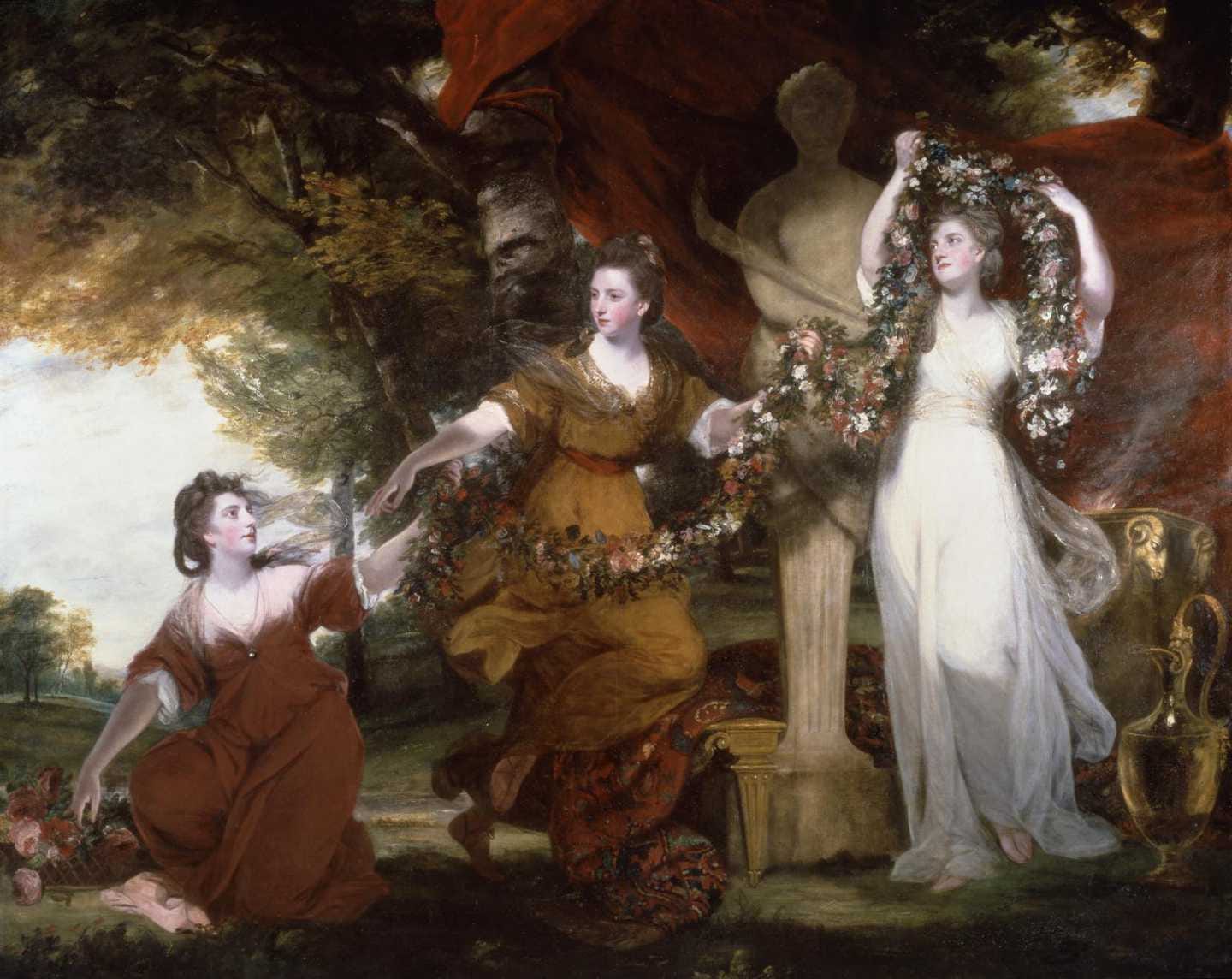
Things To Do Instead of Doomscrolling on Perfectly Imperfect
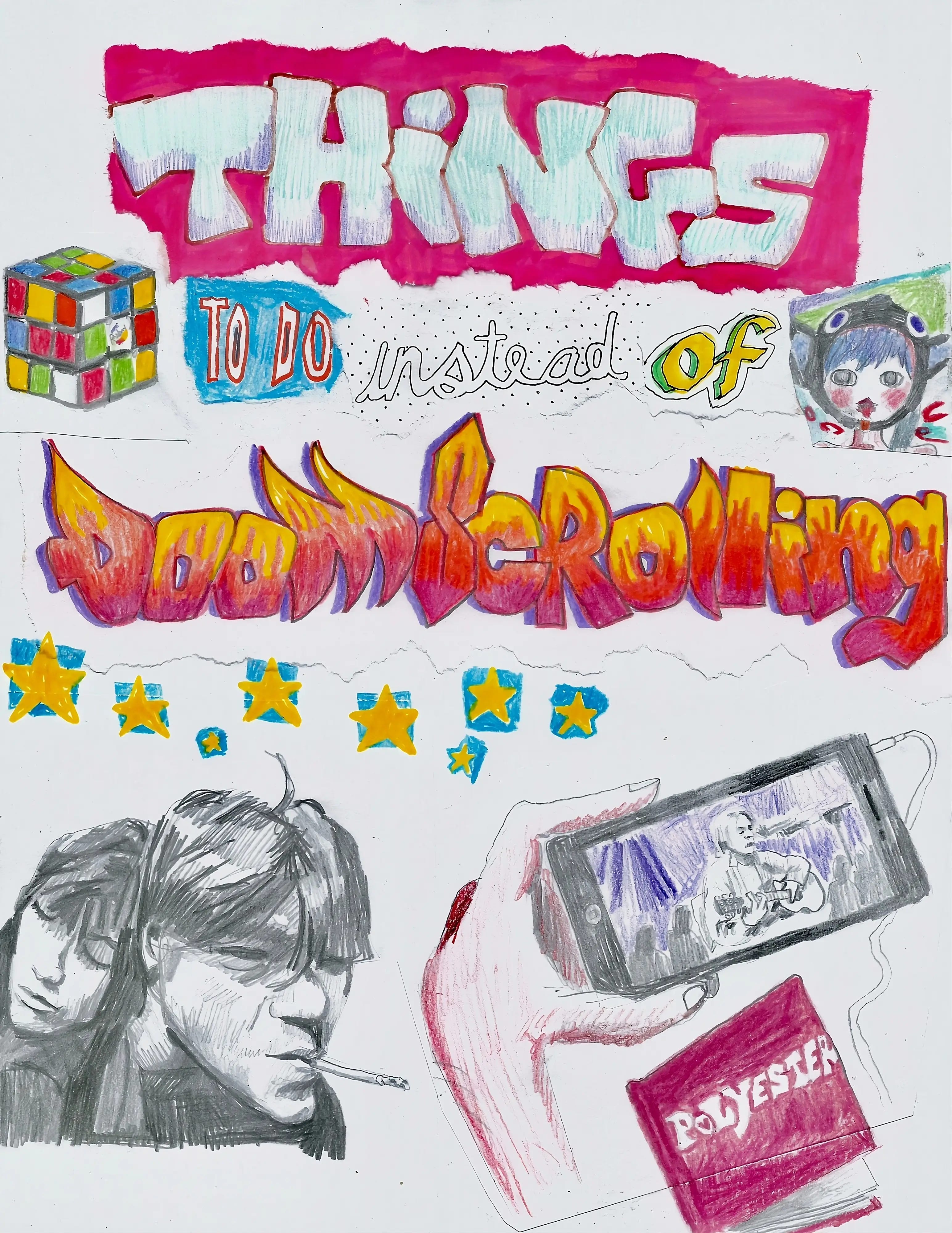
Recommendation list by me, where I share things to do instead of doomscrolling — including everything from books and films to artists and music.
I am so excited to finally share with you this partnership with my friends over at Perfectly Imperfect! I love sharing my media roundups on here, but mindful media consumption goes beyond the essays, podcasts, and videos that may take up just a few minutes of your day. I wanted to create a space in which you could see a more personal side of me by sharing things that bring purpose, comfort, and whimsy into my life, in hopes that they can do the same for you.
You can expect my recommendations for fun activities, music, cool corners of the internet, films, books, artists, and so much more every single week! Perfectly Imperfect is the world’s first social magazine, where you can not only find recommendations from your favorite artists, but also give your own through their social media app. If you miss the old internet, you will absolutely love the incredible platform they have created.
I have been a reader of Perfectly Imperfect for a while, and what I love most about them is that they are rooted in humanity and connection—a rare gift in today’s digital world. If you have been looking for a corner of the internet that feels alive, where curiosity and creativity thrive, this is it. I really hope you feel inspired by the space we’ve created. A lot of love and care has been poured into it. <3
Skinny Legend: Ozempic, Body Politics and Unwellness as Aspiration on 032c
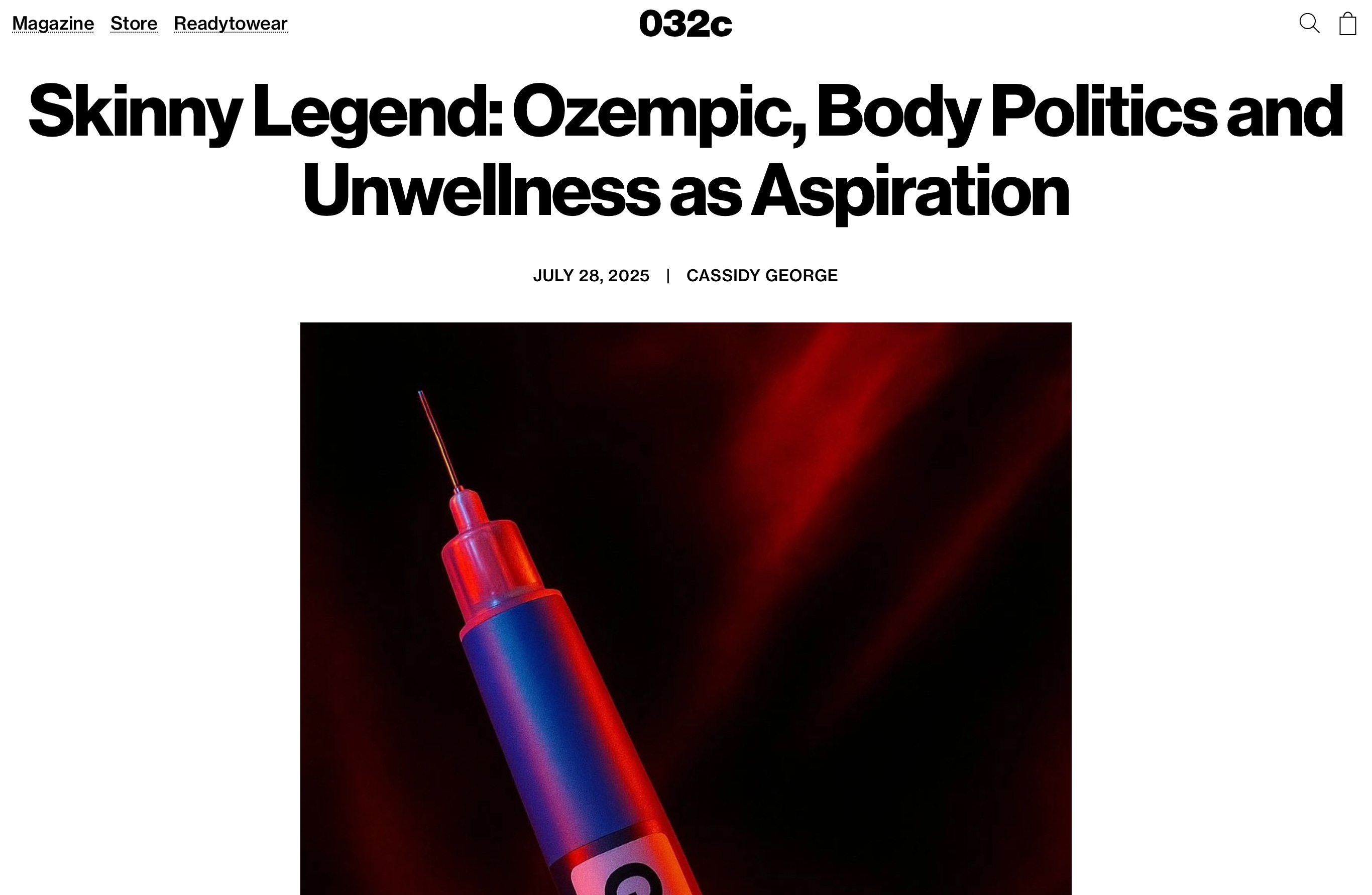
Essay exploring how the recent rise of weight loss injectables is connected to a broader discourse regarding contemporary body politics and their unique implications compared to those of the past.
In one of the anonymous testimonies of GLP-1 users found in this essay, the term “personal beauty standard” came up—I don’t know if it’s just me, but this seems to be an absolute oxymoron. To say so would mean that this standard exists in a vacuum, exempt from external influence and the projection of it onto others, which is absolutely not the case. Ironically, this person says “My personal beauty standard is specific, but I don’t project it onto others.” and in the same breath says “I love it. I got all my friends on it too! Lol.”.
I find this to be the perfect example of what choice feminism stands for: neoliberal ideals rooted in consumerist and gender essentialist rhetorics packaged by the illusion of empowerment and freedom of choice. This particular trend is exacerbated by the fact that beauty standards are no longer exclusively dictated by the media, but by the new age of social media, where normal people drive the narrative.
I find this comeback of thinness extremely dangerous, both physically, and mentally. I could not even begin to tell you the number of times I’ve had to click “not interested” on a TikTok because it's pushing blatant pro-ana content, which unfortunately, even after pressing that button, I cannot unsee. I am at a point where I am an adult who has had to learn to look away from these things, and even then, it’s still unsettling. I cannot imagine the damage that this is doing to the younger generations and the people who do get sucked into these holes.
Video formatted as a debate about whether social media is detrimental to mental health, with each side presenting the strongest evidence to support their argument.
Is social media making our mental health worse? I came into this video with a semi-solid answer to that question and wondered what could possibly be said to change my mind. It turns out that after watching the debate, I was left with an internal one of my own. It’s always a hit to the ego to acknowledge that you may not have been 100% correct, but the ability to adjust your perspective when presented with new evidence is so important.
I truly want you to sit with this initial question and observe how your answer might change once you finish watching the video, so I’ll leave you to come to your own conclusions. This is one of the best videos I have ever watched—I know because it has lingered in my head ever since. In an age of sensationalist debates whose aim is to villainize the opposing side (I’m looking at you, Jubilee), having well-conducted, respectful, evidence-based conversations is priceless.

Substack post breaking down the statistics of the decline of reading throughout the years across multiple demographics, highlighting the consequences of what men are not reading.
As summer was just beginning, I found myself at a rooftop party for a friend’s birthday. For some reason, whenever I go out, I find myself in proximity to this guy that I don’t particularly get along with, what usually happens is we end up in some sort of social, political, or personal debate as our views heavily oppose each other. I’ve learned to treat these conversations as field studies, and on this particular night, the topic was of course books.
As we were discussing our summer plans, I mentioned that I was really looking forward to finally reading a lot of books I had on my TBR, which then led to him telling me he doesn’t remember the last time he read a book. I always approach non-readers with encouragement and recommendations but in this case, I was met with a lot more resistance than usual which caught me off guard. He expressed that if he were ever to read a book, he would only be interested in non-fiction about the history of war. I mentioned all of the benefits of also reading fiction, particularly when it comes to the improvement of cognitive empathy, which he quickly dismissed.
There has been so much discourse surrounding the declining rates of reading among men but there are so many more conversations that need to happen as well. I found this piece incredibly well-done as the research and statistics the author provides allow for these to happen. We need to talk about reading across all demographics to truly understand how to tackle this issue, but furthermore, we need to have more discussions surrounding what types of books people are reading, particularly men. The fact that a significant number of the men who do read generally avoid female authors, women’s stories, and fiction books is not to be ignored.
Putting Humans First Is Not Natural on Nautilus
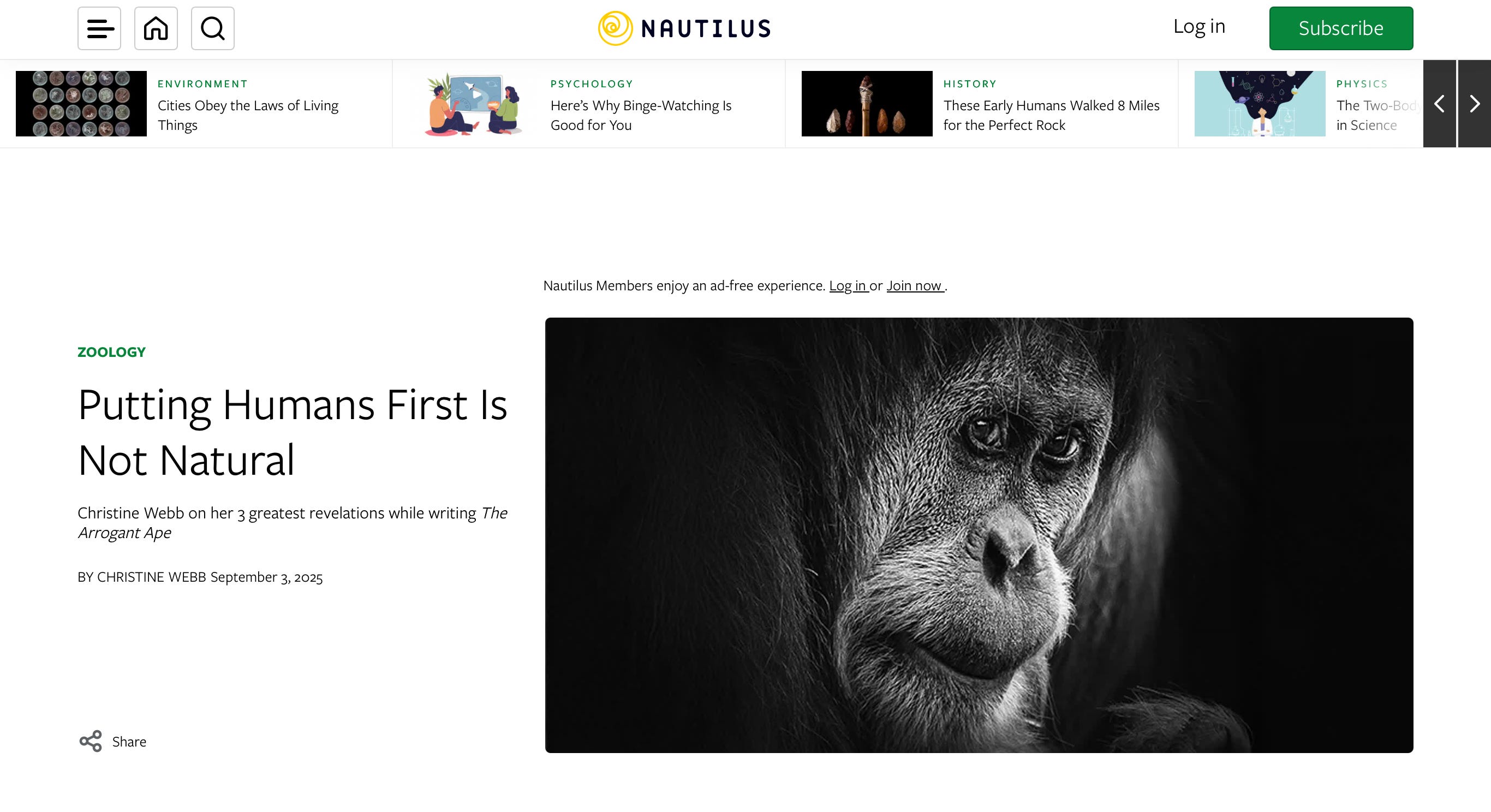
Essay critiquing the widespread acceptance of human exceptionalism and how this belief system is harmful not only to nature but also to us.
The belief that humans are inherently superior to other forms of life is as misguided as thinking the sun revolves around the Earth. In this comparison, we are, of course, the Earth—and nature is the sun. It also speaks to the fact that this was once a widespread, untouchable belief.
I often think about mass extinction as a way to reflect on how fragile and small life can be. There have been many species before us and surely many after us, so why should a different intellectual capacity make us immune to the same fate? This belief system is rooted in entitlement, resulting in exploitation. It prevents us from fostering a symbiotic relationship with the Earth and instead leaves us in a parasitic one—one in which the host will undoubtedly prevail.
Podcast breaking down the principle of limitarianism as a way to push back against the damage and disparities caused by extreme wealth.
I once had a conversation with a billionaire apologist, and I think about it at least once a week because of how baffling—and frankly, disgusting—it was. Here’s a rundown of how it went: this person told me she was having a discussion with two people at a party, and they got upset with her because she was complaining about reverse classism. She couldn’t understand their reaction. Then she said it’s unfair that poor people discriminate against the rich just because they have more money—money they supposedly worked very hard for. The examples she gave were Jeff Bezos, Elon Musk, and her dad.
What caught my attention was that she put her dad in the same category as these two billionaires. I think this speaks to two main things: first, that many people don’t truly understand how much a billion is; and second, that it’s difficult to criticize someone you aspire to become.
This podcast was incredibly informative—not only did it quantify just how much a billion really is, but it also discussed how the top 1% poses a threat to democracy. I’m now left with much more research to do, but I believe sharing discussions like these is foundational to creating class consciousness.

Substack post arguing that the rising trend of audiences spending more time on long-form content is not due to improving attention spans, but rather because they are no longer paying attention.
One particularly harmful trend I’ve noticed on YouTube is the rise of videos that present “boring” information—often about history, physics, or other academic topics—meant to help people fall asleep. When we reduce incredibly interesting information (which may not be the most entertaining) to background noise, we risk devaluing it.
Lately, I’ve been thinking a lot about active vs. passive media engagement, so when I came across this piece, all of my fragmented thoughts finally fell into place. As someone who advocates loudly for mindful media consumption, I always start by looking inward—observing my own flaws as a way to develop solutions or adjustments that I then share with you.
I’m someone who struggles to sit in silence, and I’ve noticed that it’s gotten worse over the years. Background noise is always soothing, and once you get used to it, it’s easy to fall into the trap of not thinking twice about what you play. Exclusive active consumption may not be sustainable, but slowly tipping the balance toward it through small changes is something we should all be working on.
This is beautiful. Personally, I liked exploring the idea of being perfectly imperfect, it gave me the feeling of being that 2000s baddie who lived online, surrounded by cool, thoughtful content and community.
I used to treat content as ambience. I’d put on summary films that lasted 1–2 hours just to cure the silence I was always afraid of. I’d spend 20–30 minutes just picking a song or movie to play while taking a bath because I couldn’t bear even a moment of pure silence, now I understand why
Thank you for sharing your discoveries, it did a good job at keeping me away from doomscrolling and really made me think deeper about social medias, reading, and generally just thinking out of the box. Can't wait to see what's next x