

May's Media Ecosystem to Explore Instead of Doomscrolling
Notes from a month of ambivalence, told through documentaries, zines, websites, music, art, archives, and more.

Welcome to the first installment of Media Ecosystems! And a big thank you to MUBI for partnering up with me, making this one free for everyone—as always, I only share what I know you’ll love as much as I do
i literally only watch films on MUBI or at the cinema, so i give you my word <3
P.S. if you are reading this on email, it might be cut off. You can head to the web version to make sure you see the full thing :) and make sure to have fun exploring the footnotes!
This past month has been full of high highs and low lows—and somehow that pushed me to venture further outside my comfort zone than ever. What you’ll find here isn’t what you would on my usual media roundups. These are the things that have been shaping how I think, most of them found beyond the surface level of the internet we’re most familiar with.
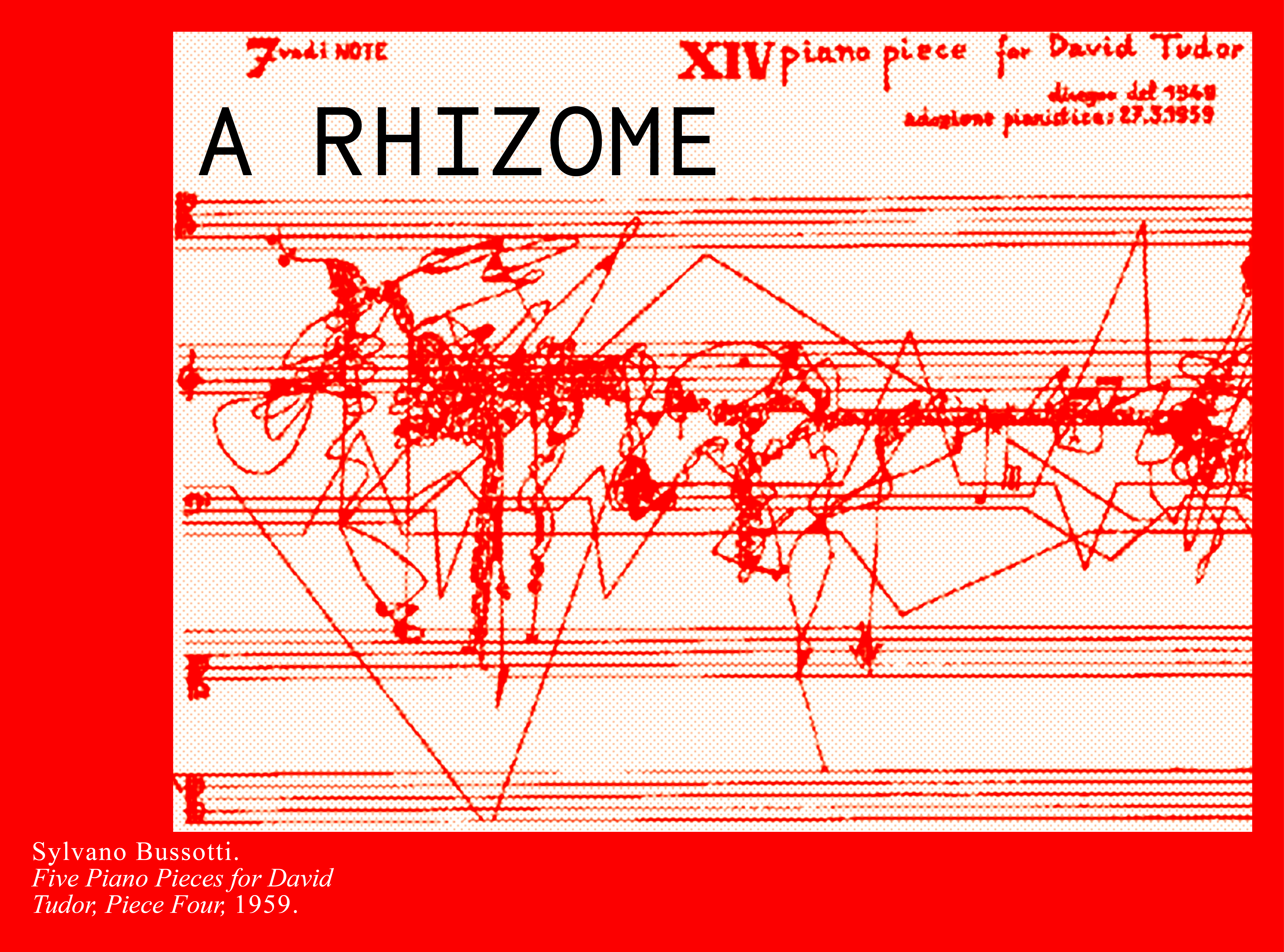
My thoughts and my creative process are everything but linear, so I wanted to structure this as best as I could to reflect that. I invite you to start wherever YOU are drawn to. This media ecosystem is rhizomatic—with no center, beginning or ending.
in my head at least lol, so i hope you have fun exploring—i know i have ;)
But before I let you venture in, here are the options for the themes for next month’s media club!
Consider becoming a paid sub to participate! Make sure to take advantage of the founding discount before prices go up on Tuesday :)
NAVIGATION MAP
aka table of contents
I
Frederick Wiseman: American Lives - documentary collection
I recently traveled to the U.S. after a few years of not having been there. As always, it felt like the epitome of hyperreality2: a bizarre consumerist twilight zone, a mere facade held up by the dreams of the ones least likely to accomplish them. Regardless of the flaws and complexities of the institutions of the country that turns its back on them, they are the beating heart behind it, rich with kindness, hope, and empathy—and no one was or maybe ever will be able to reveal both of these realities at once as the late Frederick Wiseman did. In this eight-film collection, we get to explore a selection of this vast body of work, which maps the social, cultural, and institutional fabric of the United States with unmatched sensibility.
I love documentaries, but I find so many of them exploitative and sensationalist as they bend and fracture people’s stories to fit a narrative they hope will garner our attention. This is why I cherish Wiseman’s work so much; he didn’t turn people into stories, but rather immersed himself in their realities with the utmost tact and curiosity to simply allow them to be.
I’ve made my way through most of them, but here are a couple of the ones that have personally impacted me the most so far and why:
In Jackson Heights (2015)
Jackson Heights is one of the most multicultural places not just in the U.S., but in the world. The way I see it, experiencing diversity is one of the most wonderful things about being alive—the expansion, friction, and connections made in spaces like this one are a true gift.
High School (1968)
Being an observer of the dynamics of a high school in the United States through footage that is over half a century old, felt uncannily like watching footage of my own high school experience. I know progress has been made, but this realization felt like a stark reminder that there’s still a long way to go.
Availability per country: 🇦🇺 🇮🇳 🇳🇱 🇪🇸 🇩🇪 🇮🇪 🇬🇧 🇦🇷 🇨🇱 🇧🇷 🇨🇴 🇲🇽
Get 30 days free and watch these documentaries at mubi.com/mapu and explore a carefully curated selection of films & series that will stay with you long after the credits roll :)
Chronically by Lindsey Esplin (2024) - zine
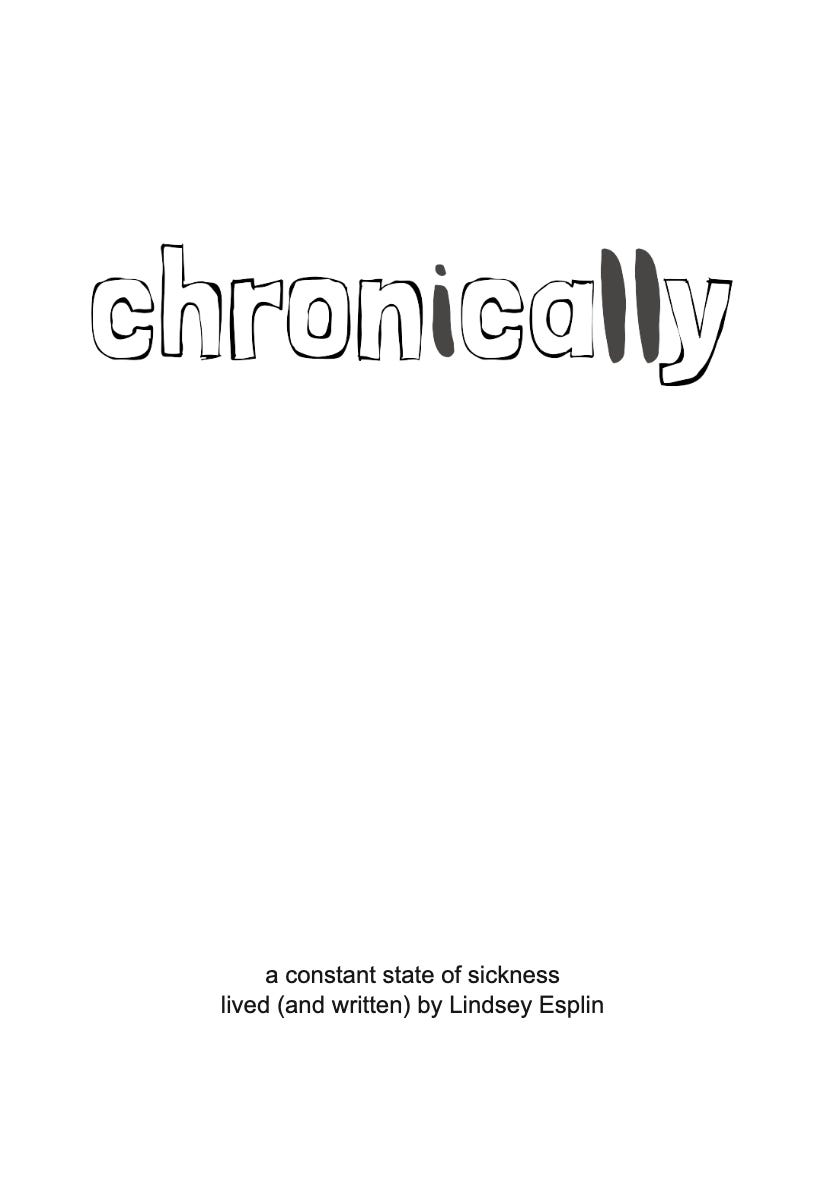
Found on: Sherwood Forest Digital Zine Library
I’ve been venturing into the world of zines lately—both creating mine and exploring others’. This one in particular struck a chord with me, given that I’ve been on a rather treacherous journey of navigating my own cluster of chronic illnesses. The hardest part about it, for me, isn’t even dealing with the disabling symptoms, but the lack of accommodations and sympathy from doctors, institutions, and able-bodied peers.
I felt so seen while reading through this zine, even if we’re dealing with completely different illnesses. I want to speak up about this more in the future because an accessible world for disabled individuals is an accessible world for all.
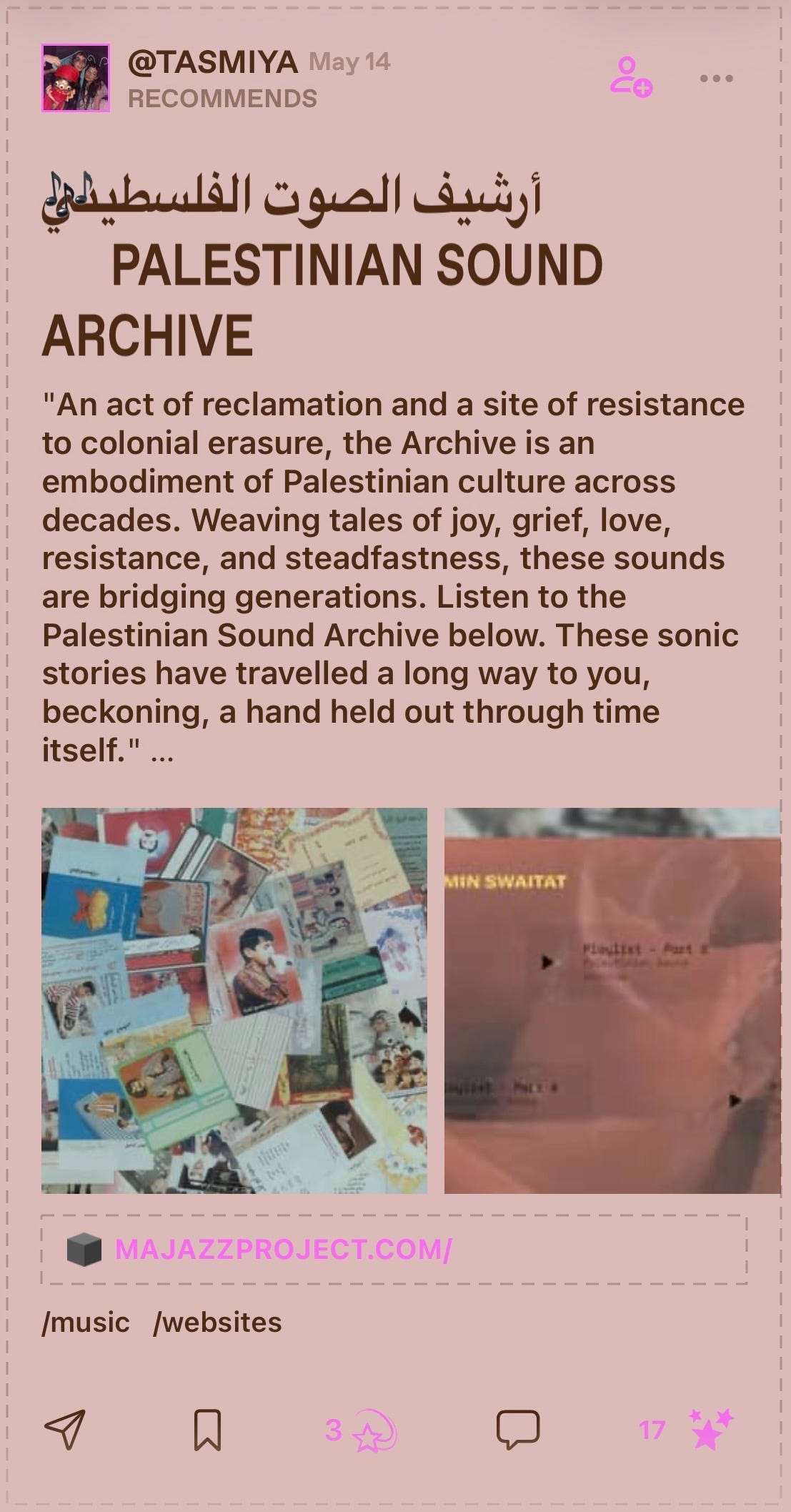
Palestinian Sound Archive by Mazz Project - archive
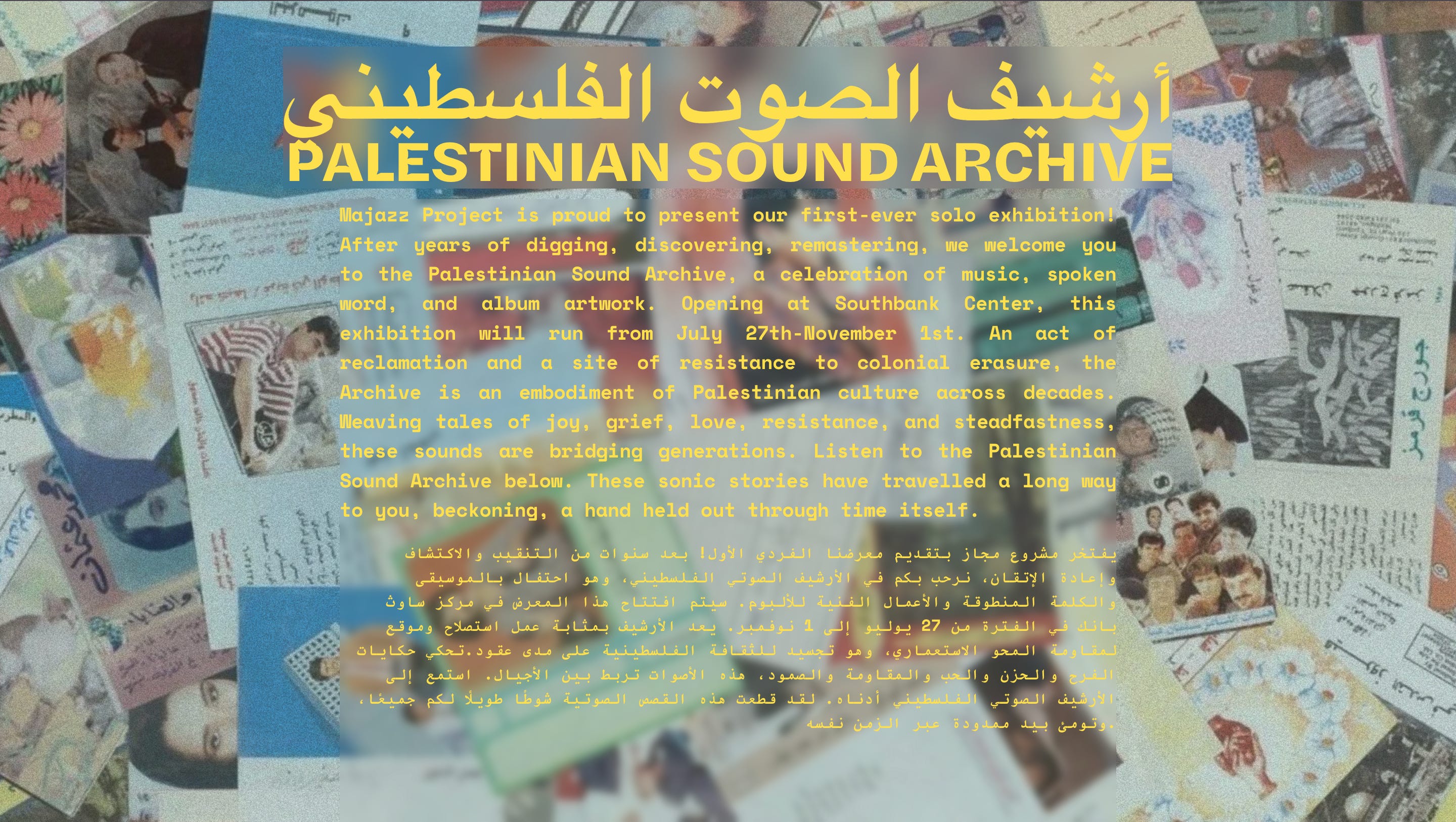
Found on: Perfectly Imperfect3
It’s not often that I come across a sound archive, but when I do, it’s usually exceptional—which of course was the case with this one. Palestine has such a beautiful and rich history, despite—and maybe also because of—all the devastation its people have had to survive historically.
This is also a reminder that Gaza needs our help more than ever and there are so many ways we can contribute. It’s so difficult to know where our money can actually help, but after some research, I personally just made a donation to Spark Space Gaza. Here’s what they do:
“We aim to create a safe, fully-equipped workspace with reliable electricity and fast internet, offering students and freelancers in Gaza the environment they need to continue their journey despite the hardships.”
You can join me by donating here or by clicking the button below <3
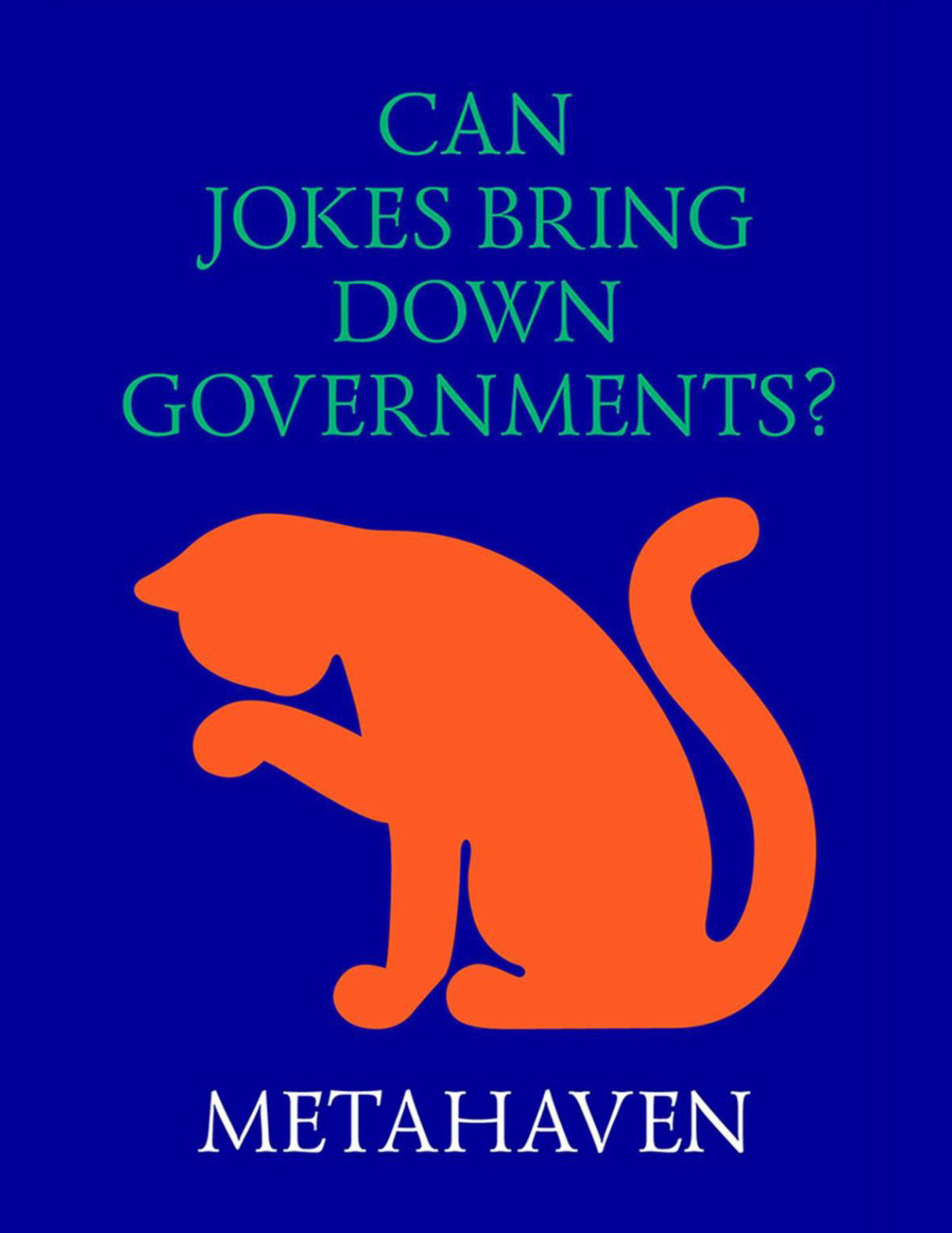
Can Jokes Bring Down Governments? (2013) by Metahaven
Found on: this are.na channel
I’ve been posting a lot more memes on my notes lately4 as an experiment because I realized how powerful they can be—especially as a tool toward hope and discussion. So after getting familiar with the meme landscape on are.na, I have been dipping my feet into the theory and philosophy behind it.
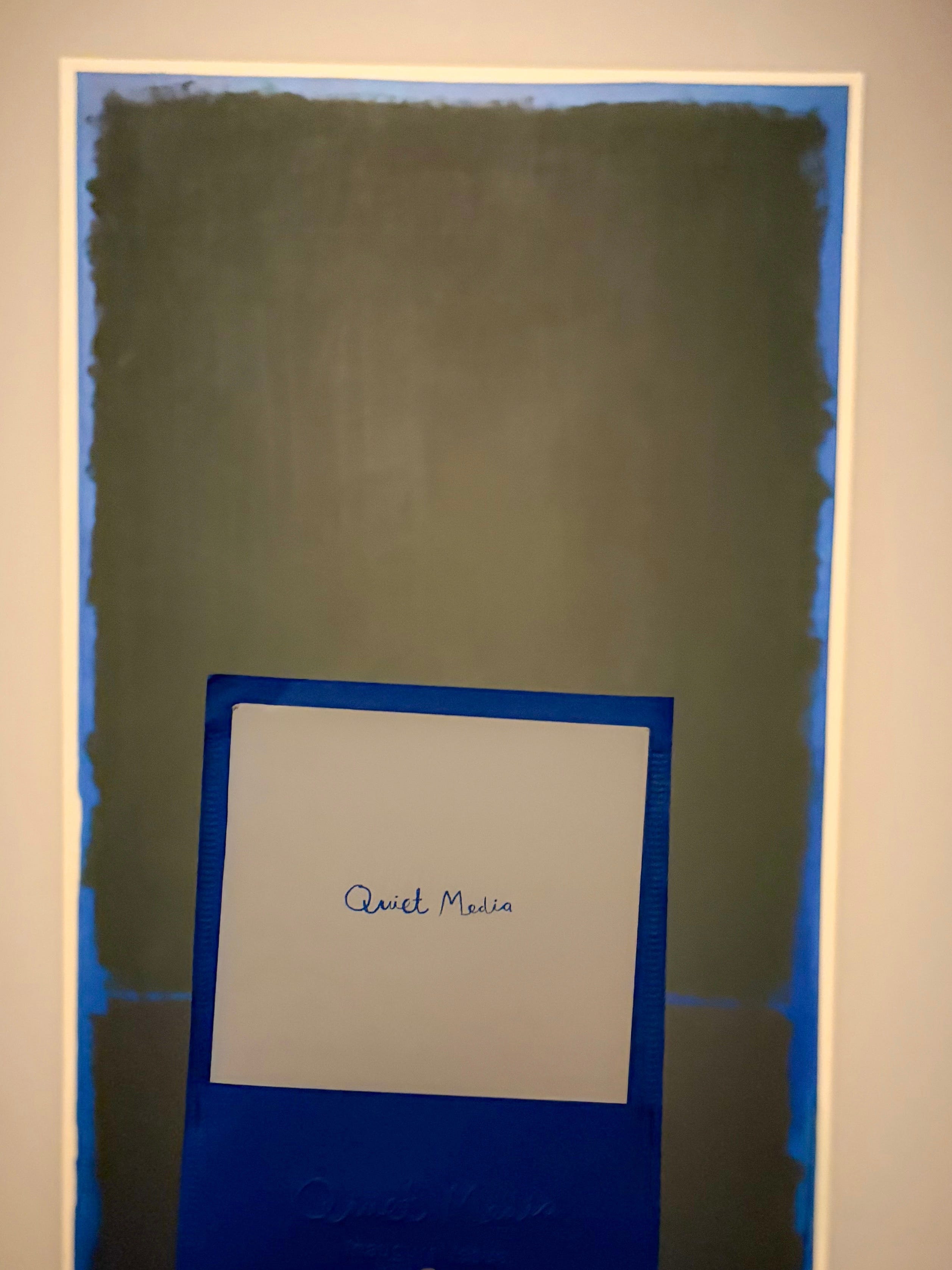
Quiet Media by Charlotte Rubesa
Purchased on: Metalabel
This incredible project—made up of so many brilliant people and professionals—is a testament to where I believe the future of the media and digital landscape is headed. Attention, a valuable and often exploited resource, is shifting our focus toward slower, more intentional, and quieter spaces.
We are at a crossroads between a future where the development of technology can either continue to disconnect us, or one where it does the very opposite. I, for one, want to be a part of the latter—and dare I say that the people and platforms who contributed to this zine would agree with me.
The very act of choosing to create a physical print issue about the digital landscape and technology subverts the subject into an object, which then retroactively contributes to it—as is evidenced by the fact that I am now sharing it with you by digital means.
i’m soooooo excited to see where the next issue takes us :) so many of the resources i’m sharing here are either directly or indirectly influenced by this zine so say thank you to Charlotte!!!


II
Cameron’s World - web collage (1994–2009)
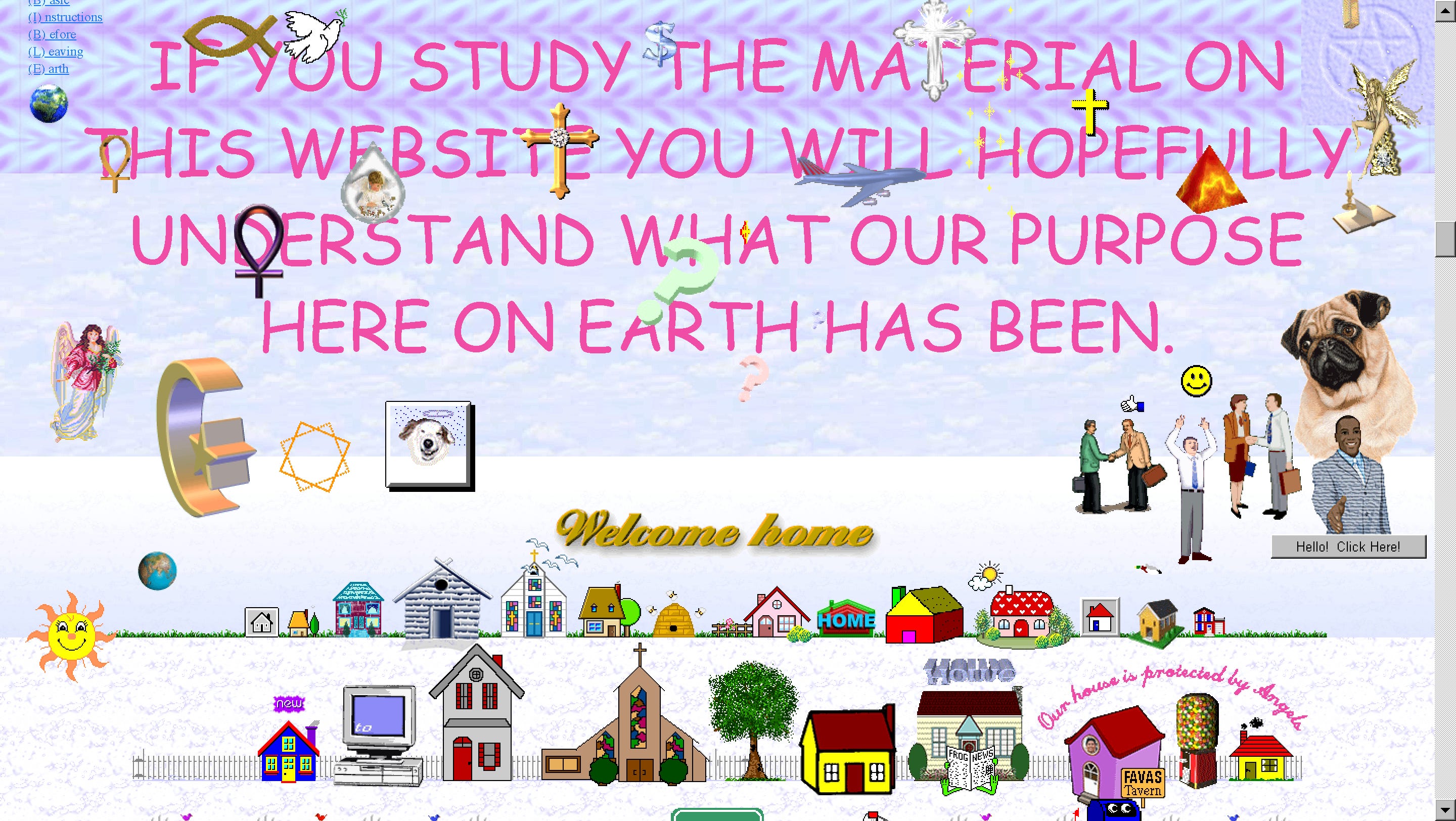
Found on: Sublime
It feels strange to miss something that’s not yours to miss. I was too young to experience Geocities before it was gone, but I do long for an internet where there was a sense of belonging through diversity and individuality. I miss the internet I get to see through the work of those who cared enough to preserve it. I long for an internet that belongs to us.
There’s an entire universe in the indie web, but now it’s buried underneath these corporate tech giants, scattered below what’s visible to the naked eye. That’s exactly why I want to uncover some of them, in hopes of bringing a little bit of light to this strange digital dark age that we’re currently facing.
here’s my Neocities website where i have a few links you can explore! it’s a WIP so it’s still VERY basic because learning html is HARD :(
The World’s First Website by Tim Berns Lee (1991) - website
Found on: Web Design Museum
The way I like to conduct any type of research is by distilling whatever it is that has been getting into the nooks and crannies of my brain to its very essence. Part of what I’ve been looking into recently is early web design, open source API, and browser alternatives for some upcoming projects.
i’m not a very technical person, so it’s been a big big learning curve, but i fr believe in myself even if i know it’s gonna take forever to get to where i want to be
I’m genuinely inspired by the simplicity in functionality, messaging, and design of these old websites, as opposed to the UI and UX we are used to now. So finding the very first one felt like getting to the very antithesis of what the internet has become.
McGachapon - online game
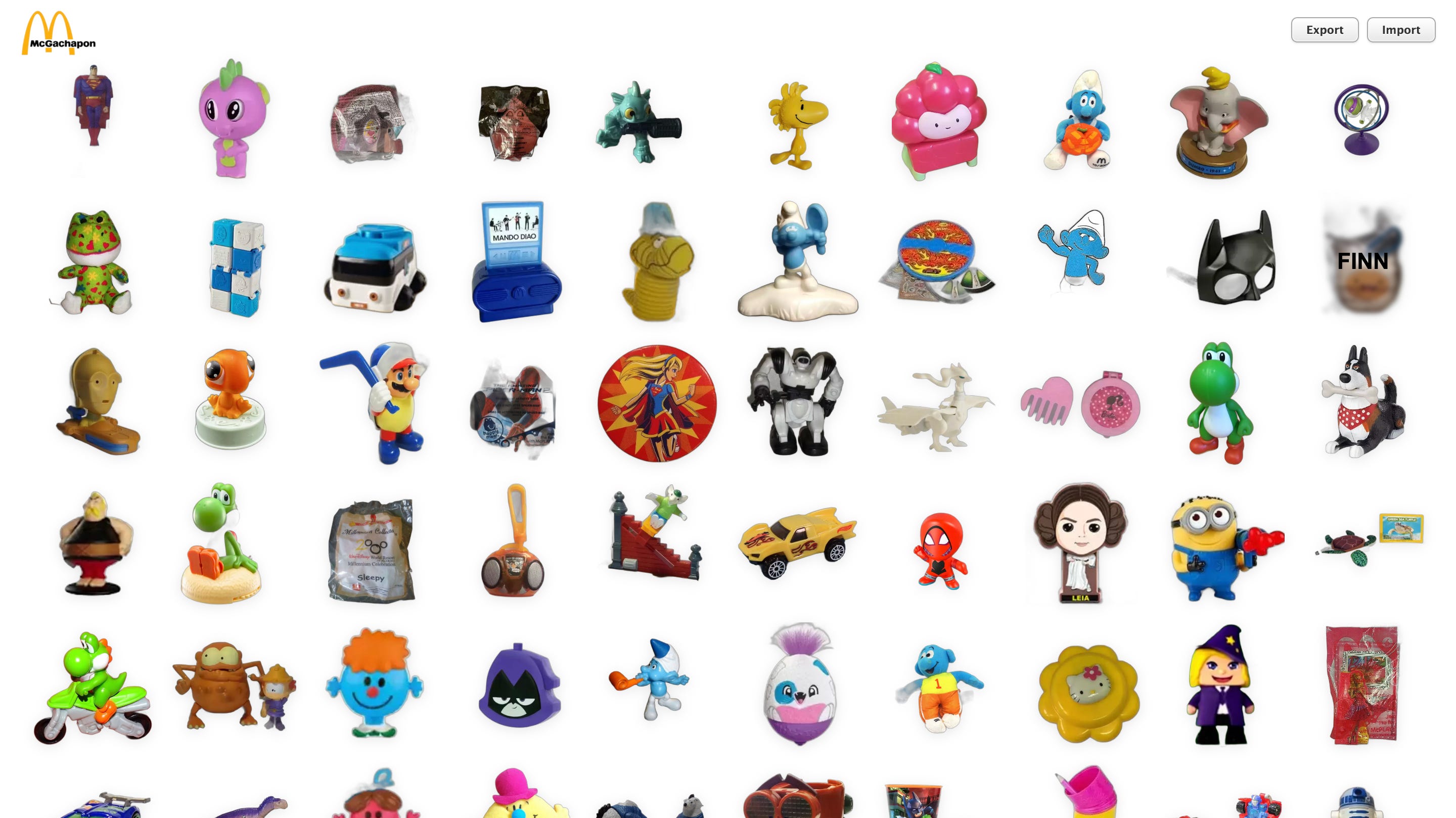
I was told to absolutely hate McDonald’s in kindergarten—let’s just say they had a very alternative approach to food—so I was a big McHater for the longest time. When I inevitably tried a Happy Meal for the first time, I was immediately converted. As a lifelong picky eater, the nuggets were safe, but beyond that, I really only cared about the toy.
This website has been a hell of a nostalgic trip to the past. You get to open a bunch of Happy Meals and collect the toys—which are also linked to the eBay search for them. It has left me wondering where all of my McDonald’s toys have ended up—I now know I should not have thought of them as disposable—among a lot of other things.
ASCII Bedroom Memoir (2025) by Eileen Ahn - interactive essay
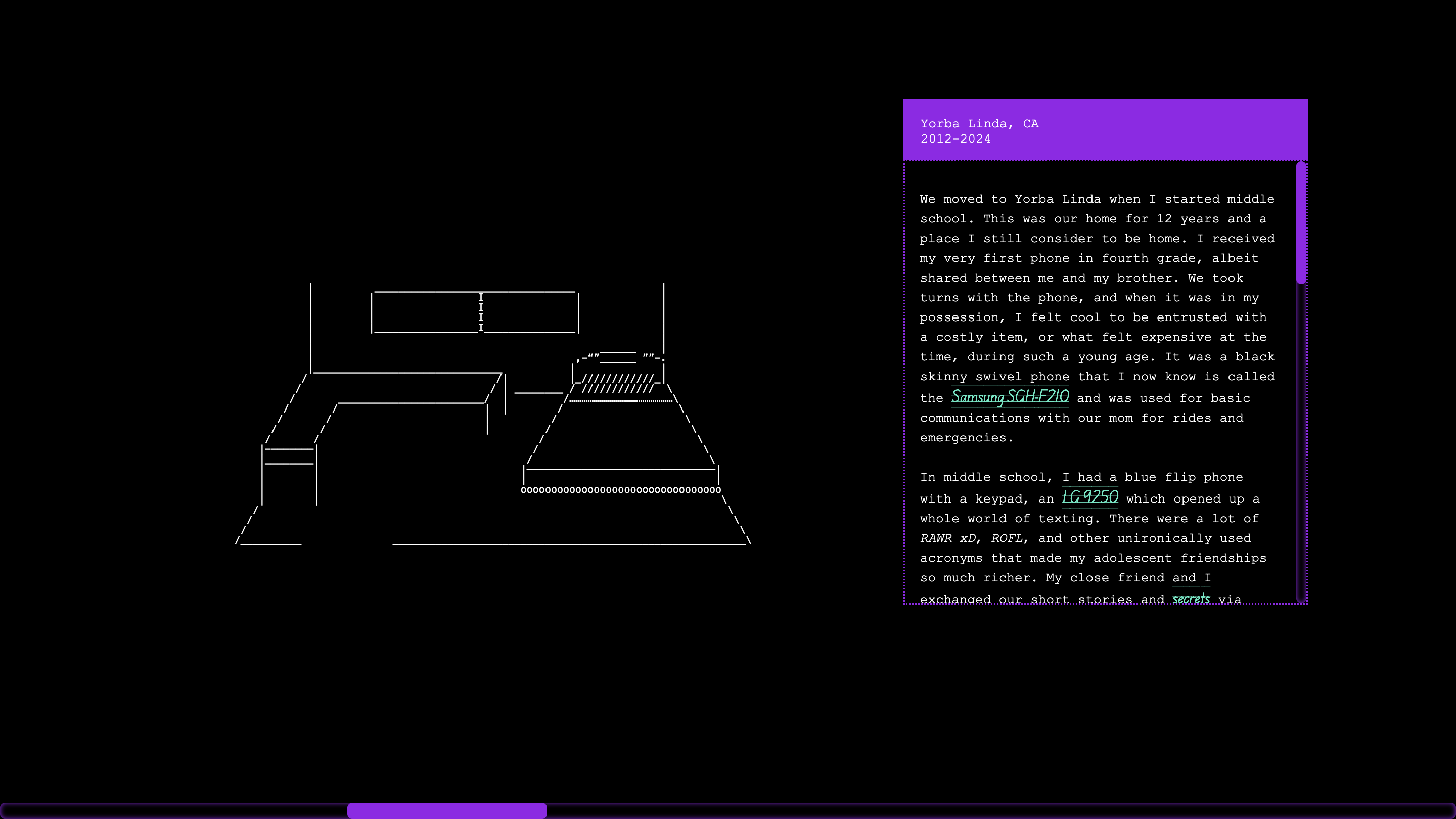
Found on: the html review
I find ASCII art6 absolutely fascinating, so when I stumbled upon this piece, I was SO excited, and it thankfully didn’t disappoint. Publications like this one are exactly what I think the future of digital media will look like. I’ll leave it at that, and you can find out what I mean on your own.
A Home is Not a House by Reiner Banham & François Dallegret (1965) - essay
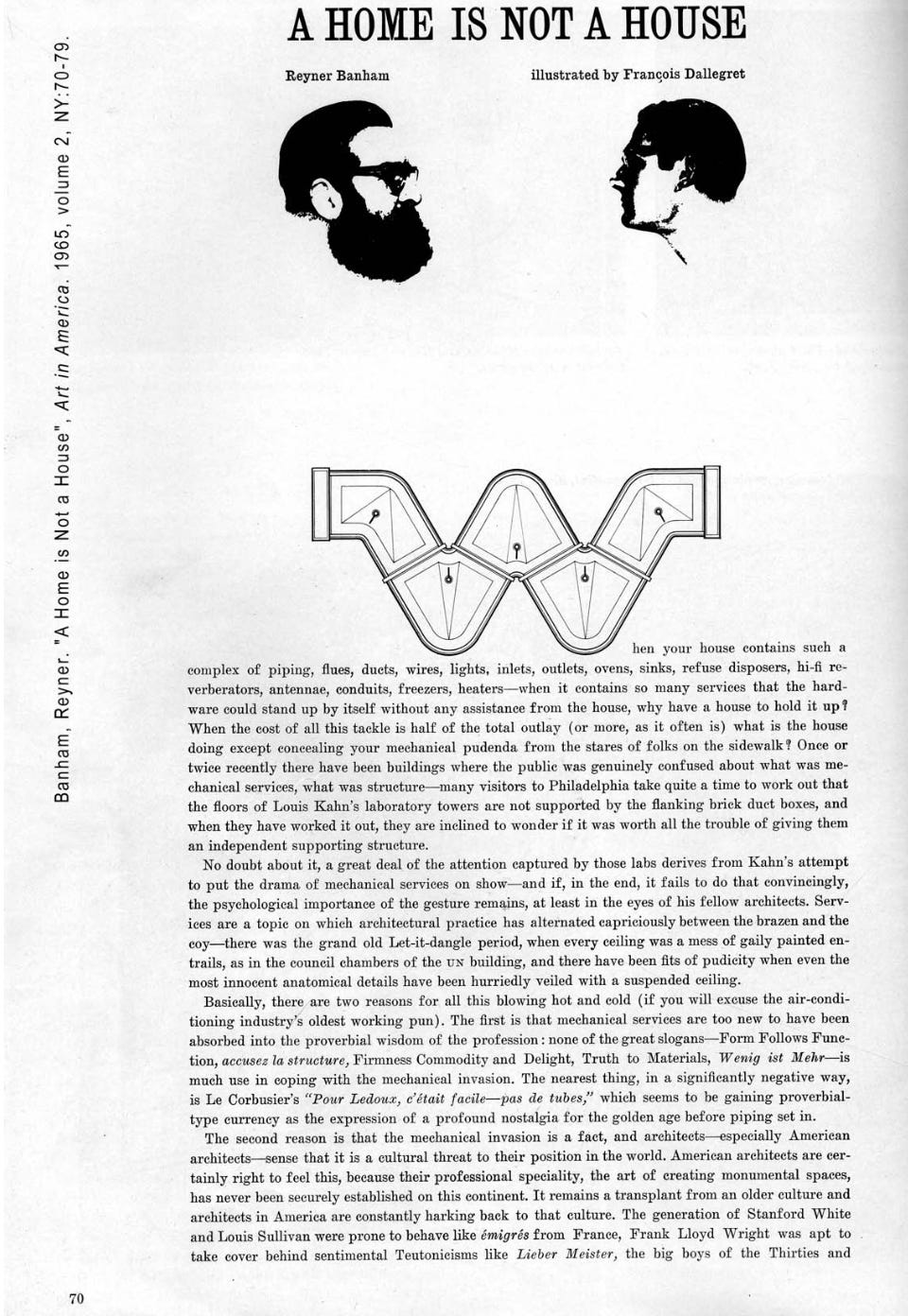
Found on: reference trail7
Banham argues that the networks and systems operating within a space are the home, rather than the walls containing them. It made me think about systems from a different angle—instead of becoming comfortable with invisible systems we have no control over, why don't we build foundations strong enough that we don't have to depend on them? maybe then, everyone can have a home.
This segment is usually exclusive to paid subscribers. If you’ve enjoyed it so far, consider upgrading your subscription <3
III

Fishcam - livestream camera
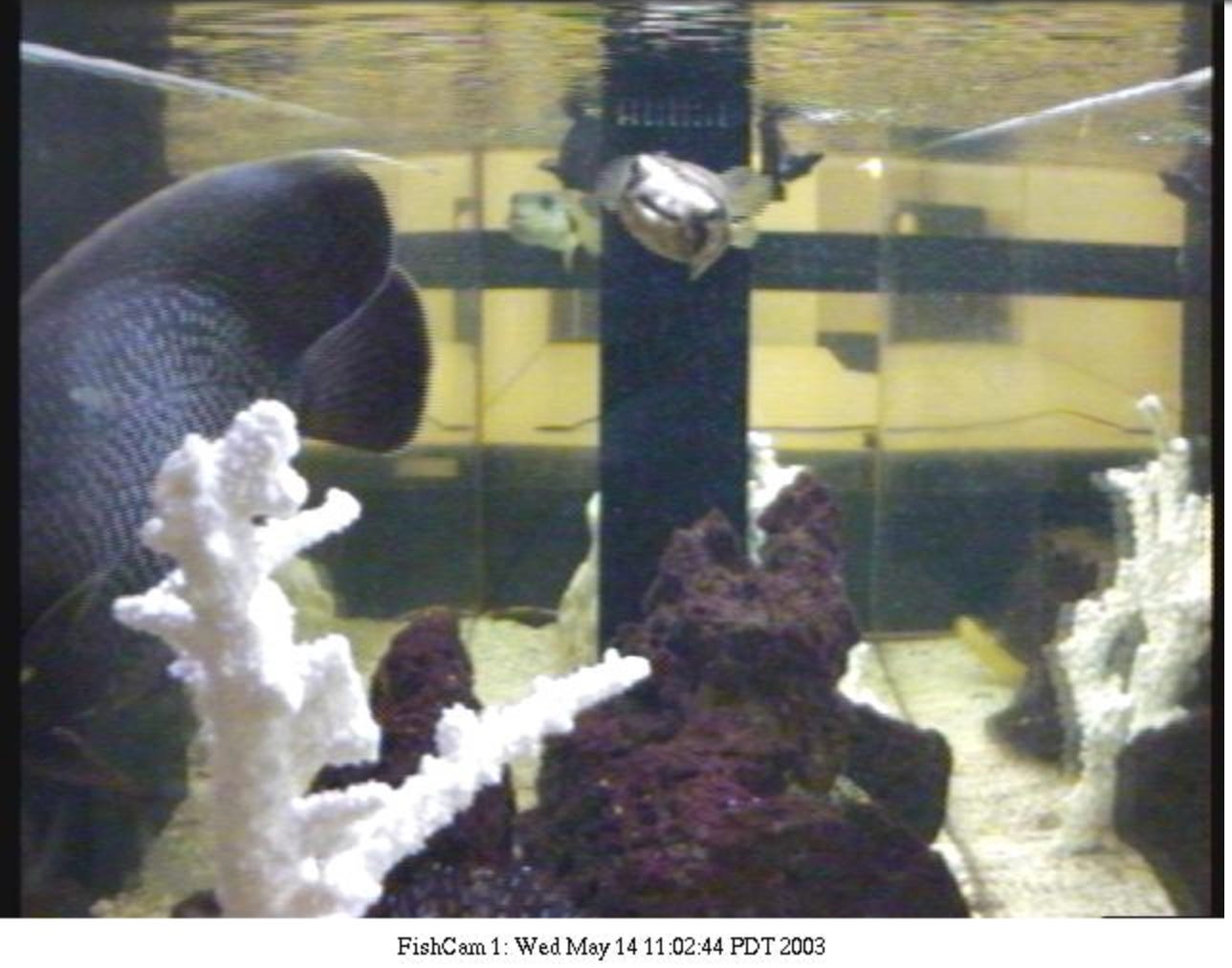
Found on: my memory. i fr do not know when or where i found this
On one of the recent recommendation threads in the IOD chat, a few people recommended some adorable animal live cams—which reminded me of this ancient little corner of the internet. Even though they’re currently moving the tank, the concept has stuck with me ever since that thread. When did we stop being fascinated by this? I mean, yes, I know it’s because of our constant need for overstimulation, but I think we need to bring a little bit of childlike wonder back. How magical is it to be able to observe the lives of some animals from anywhere in the world?
Takuya Nakamura invites Bereket - online radio live set
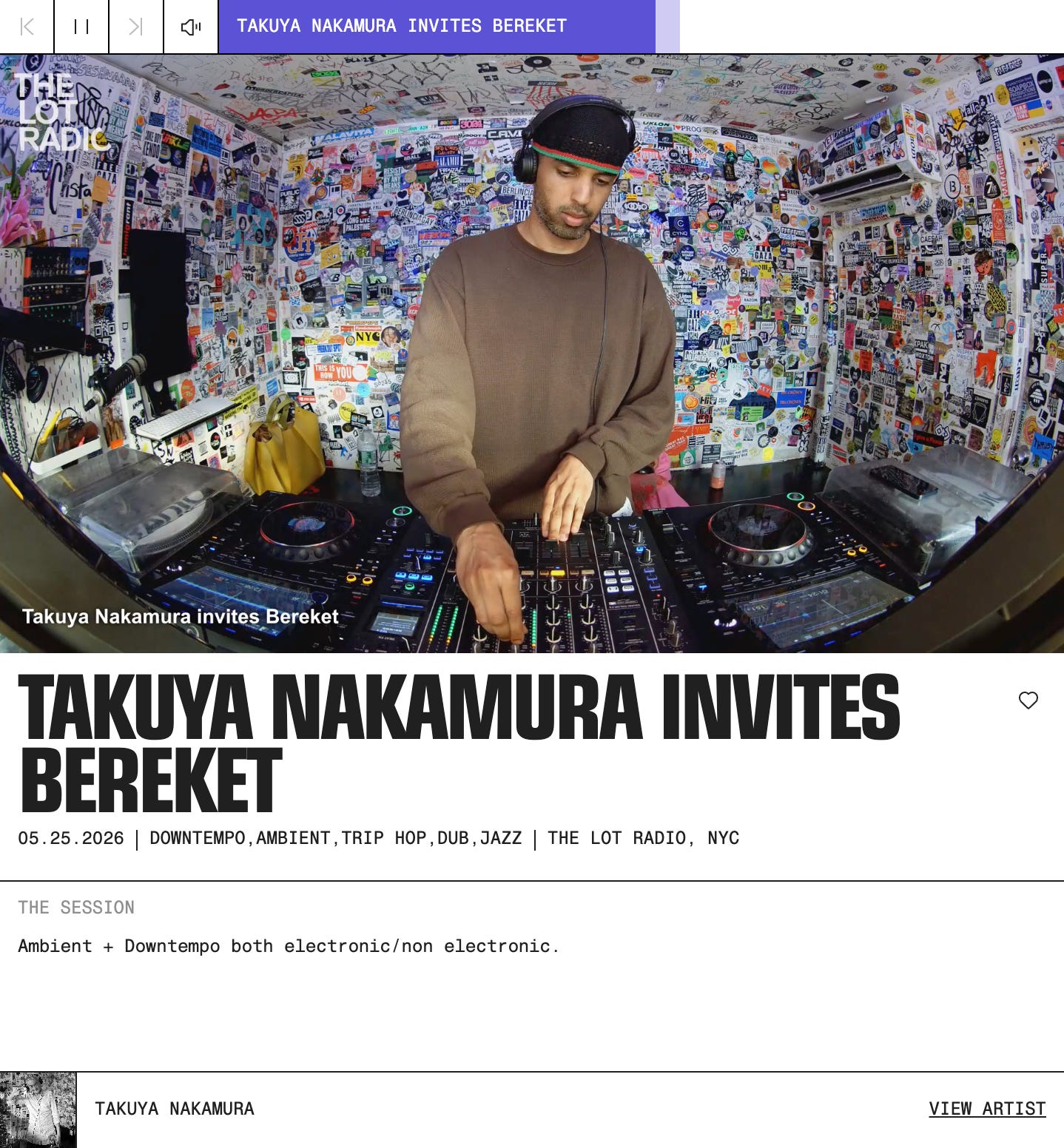
Listened on: the lot radio
Ambient media is a field I’ve become more aware of over the last few months. I guess it’s always been there in some way or another, for example, as the ambient music I like to play while I write. I’ve written about attention at length before8, and one of my biggest takeaways that I don’t see people discussing too often are that not all attention operates the same way. Ambient media specifically engages what researchers call passive or diffuse attention—the kind that subconsciously shapes the perception of our environment and our emotional responses to it.
When I listened to this ambient live set, I knew I wouldn’t track down every song, I knew I didn’t have to think about the context too much, but rather could focus on feeling present in my body, in my work, and in the now.
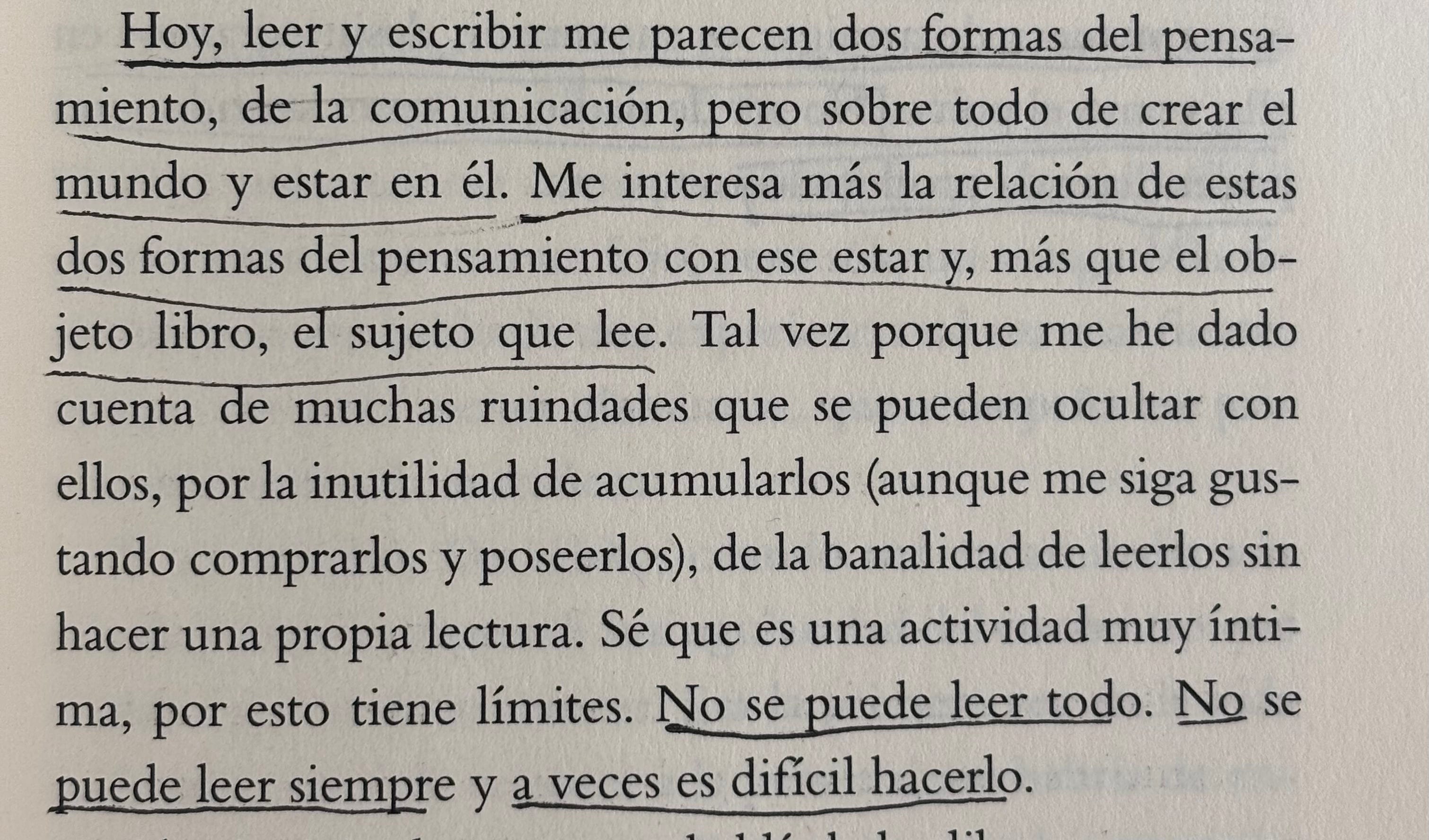
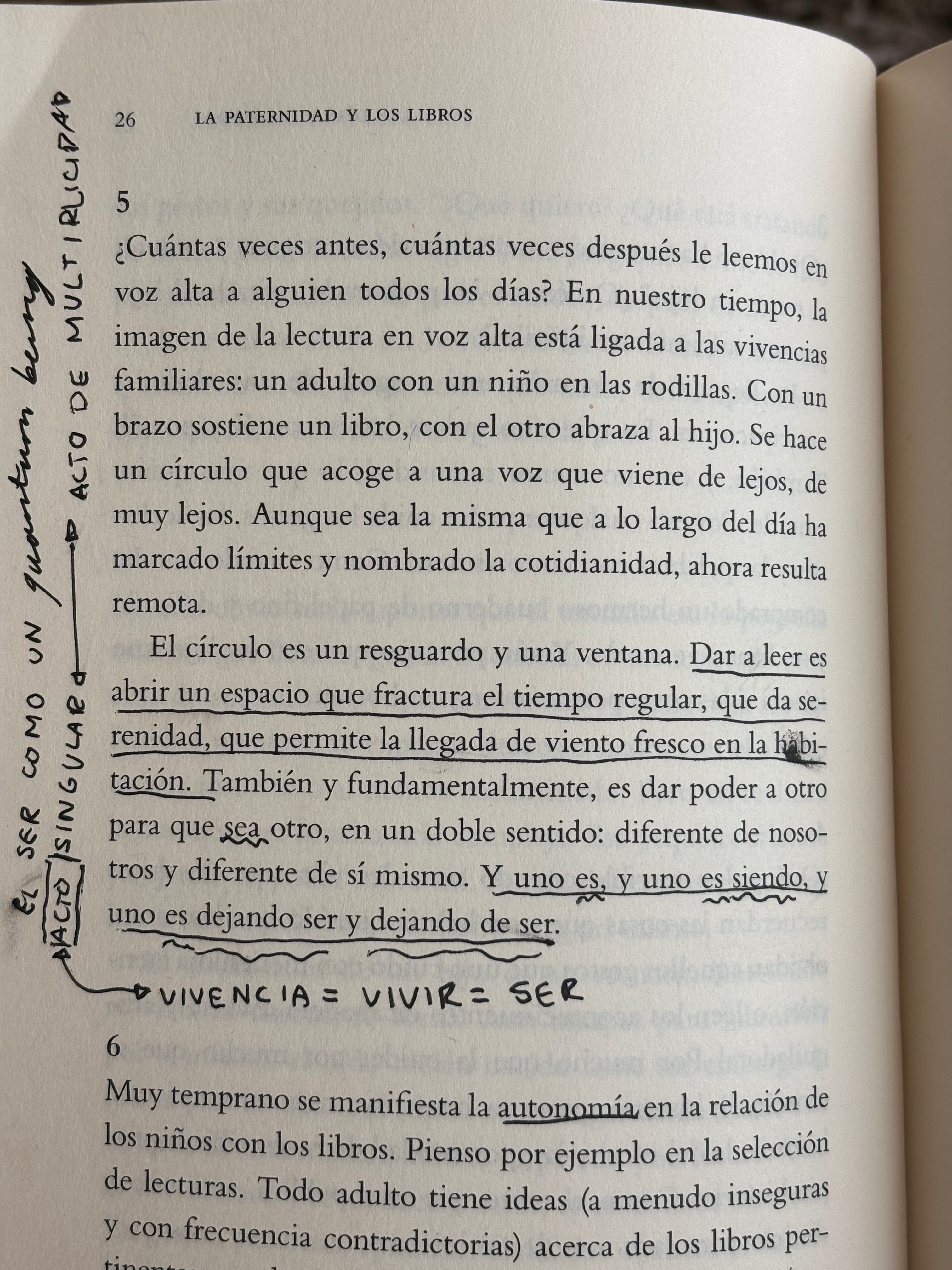
Los días y los libros: Divagaciones en torno a la hospitalidad de la lectura by Daniel Goldin (2023) - book
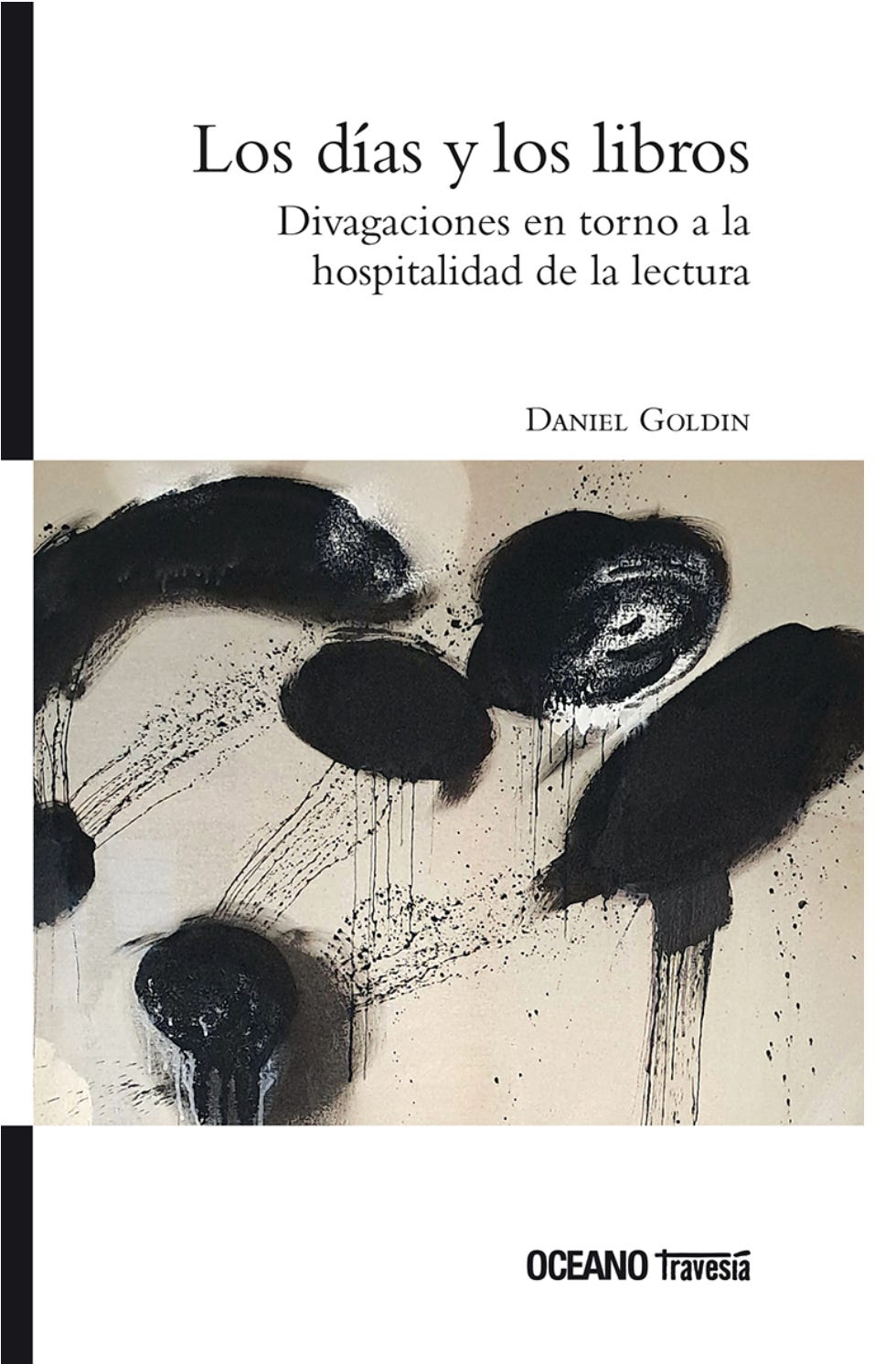
Found on: my local bookstore
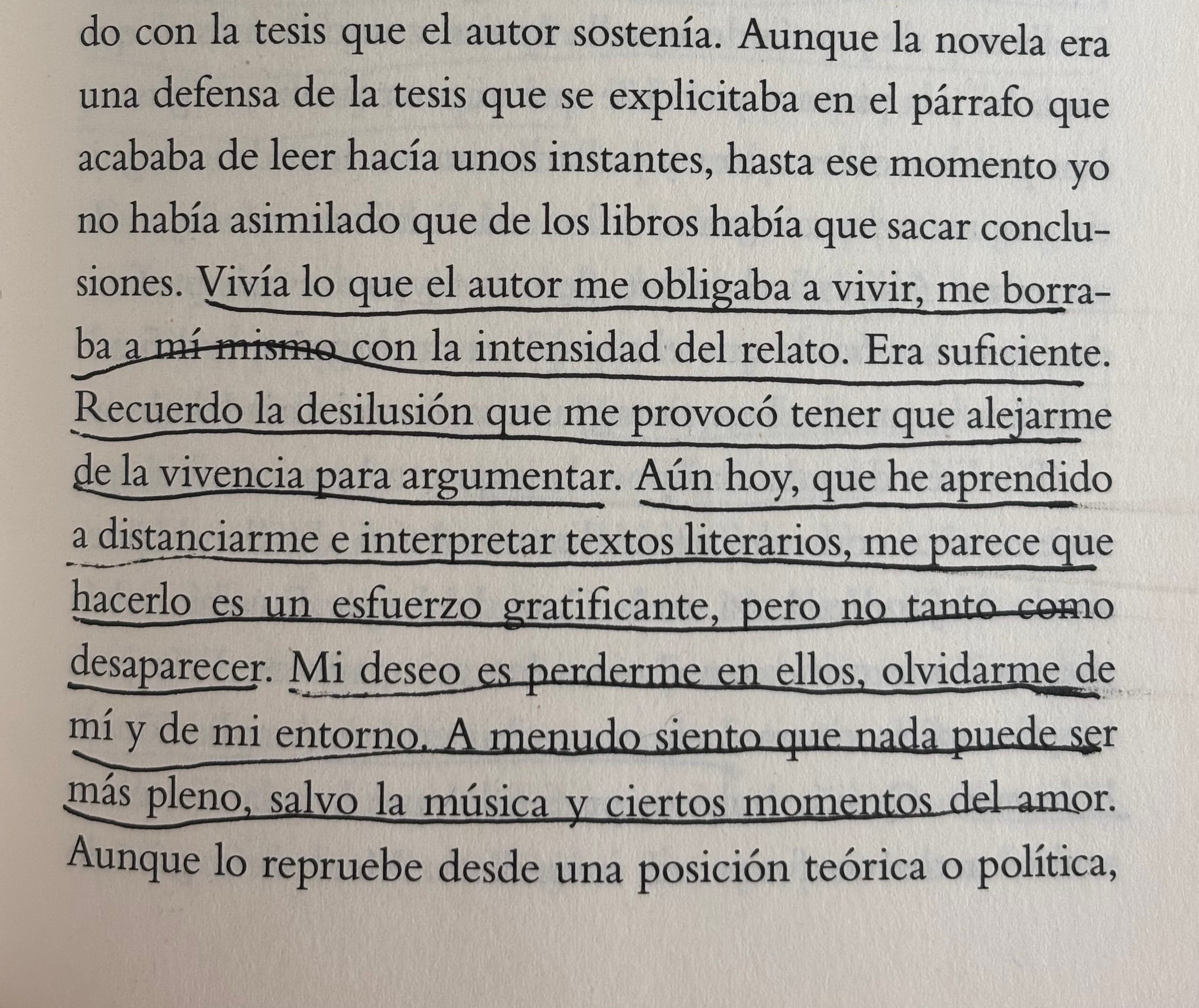
Even though many of you won’t be able to understand this book, given that it’s only available in Spanish, I thought I’d translate a couple of quotes that have stayed with me over the time I’ve spent with it. The title reads, The days and the books: Ramblings on the hospitality of reading.
“I lived what the author forced me to live; the intensity of the story erased my own identity. That was enough.I remember the disappointment I felt at having to distance myself from the experience in order to argue my point. Even now, having learned to distance myself from and interpret literary texts, I find it a rewarding effort, but not as rewarding as disappearing. My desire is to lose myself in them, to forget myself and my surroundings. I often feel that nothing can be more fulfilling, except perhaps music and certain moments of love.” 9
“Today, reading and writing seem to me to be two forms of thought, of communication, but above all, of creating the world and being in it. I’m more interested in the relationship of these two forms of thought with that being, and more than the book as an object, the subject who reads. (…) One cannot read everything. One cannot always read, and sometimes it’s difficult to do so.”10
“To give to reading is to open a space that fractures regular time, that brings serenity, that allows fresh air to enter the room. It is also, and fundamentally, to give another the power to be other, in a twofold sense: different from us and different from oneself. And one is, and one is in the being, and one is in the letting-be and the ceasing-to-be.”11
Aleph Null 2.0 by Jim Andrews - interactive abstract art
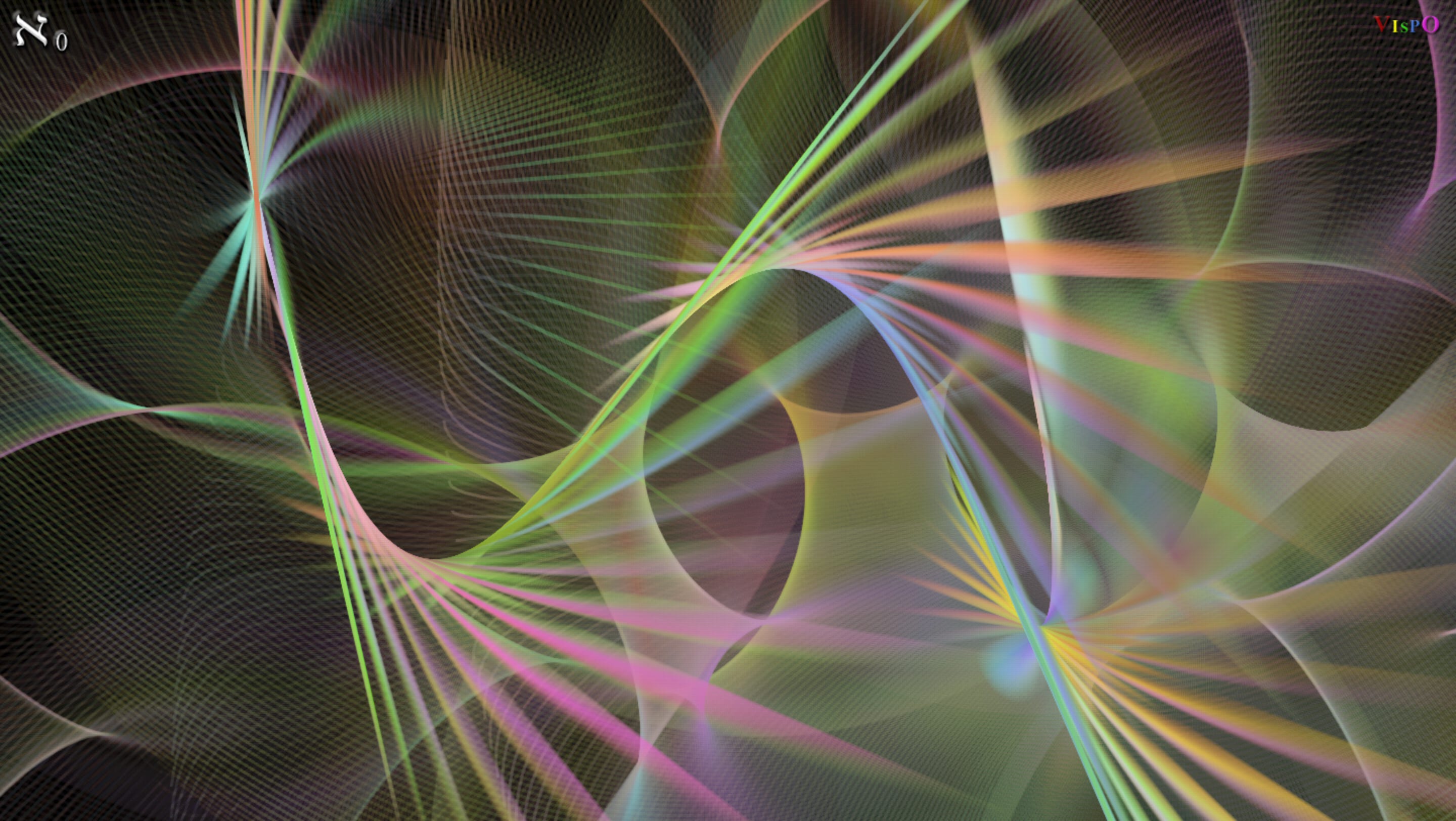
Found on: Vispo
Interactive abstract art is slightly reductive, but it’s hard to encompass what this is in such few words. The creator had a much lovelier way of describing it:
“It's like hunting the Snark, beauty or butterflies. It takes a little practice. It's like an instrument. Or a game in which the goal is to experience color music and create visuals you like. Unlike most instruments, Aleph Null will play something whether a person is playing or not. But it benefits immensely by a human player. It knoweth not beauty, is but the instrument of thine own incandesence.”
Current Rothko - website
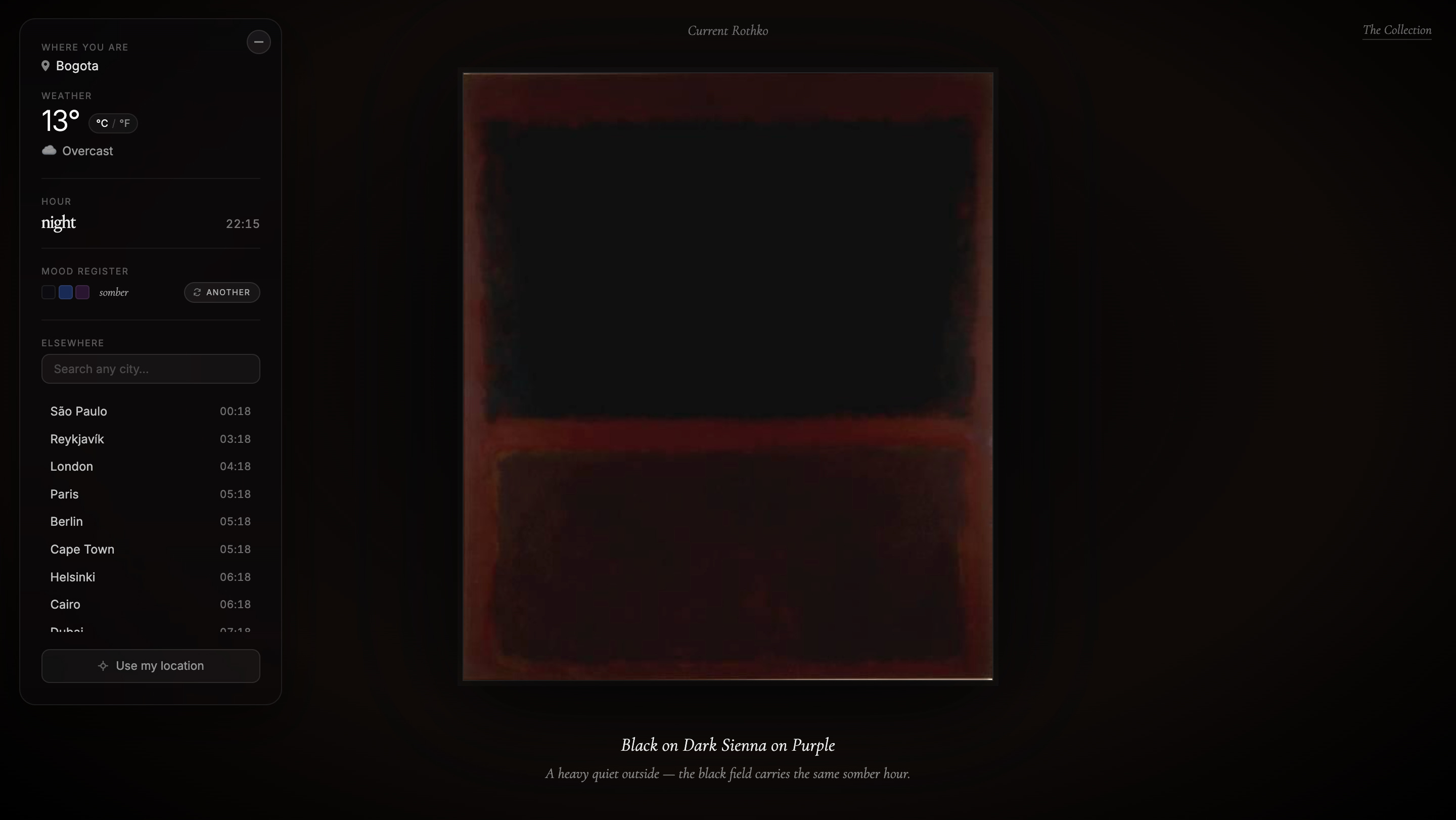
Found on: Substack notes
When I went to Rothko's exhibition in Florence last month, what fascinated me the most was taking a moment to notice the emotions and imagery each painting evoked within my body and my mind. I used to dislike abstract art when I was younger—I found it boring—but now it's become one of my favorites. How wonderful is it to encounter something that forces you to determine yourself?
seeing this reflected on this website, by means of the local weather, felt like a little wink from the universe that i’m exactly where i’m meant to be ngl
IV

Artemis II Photography Collection
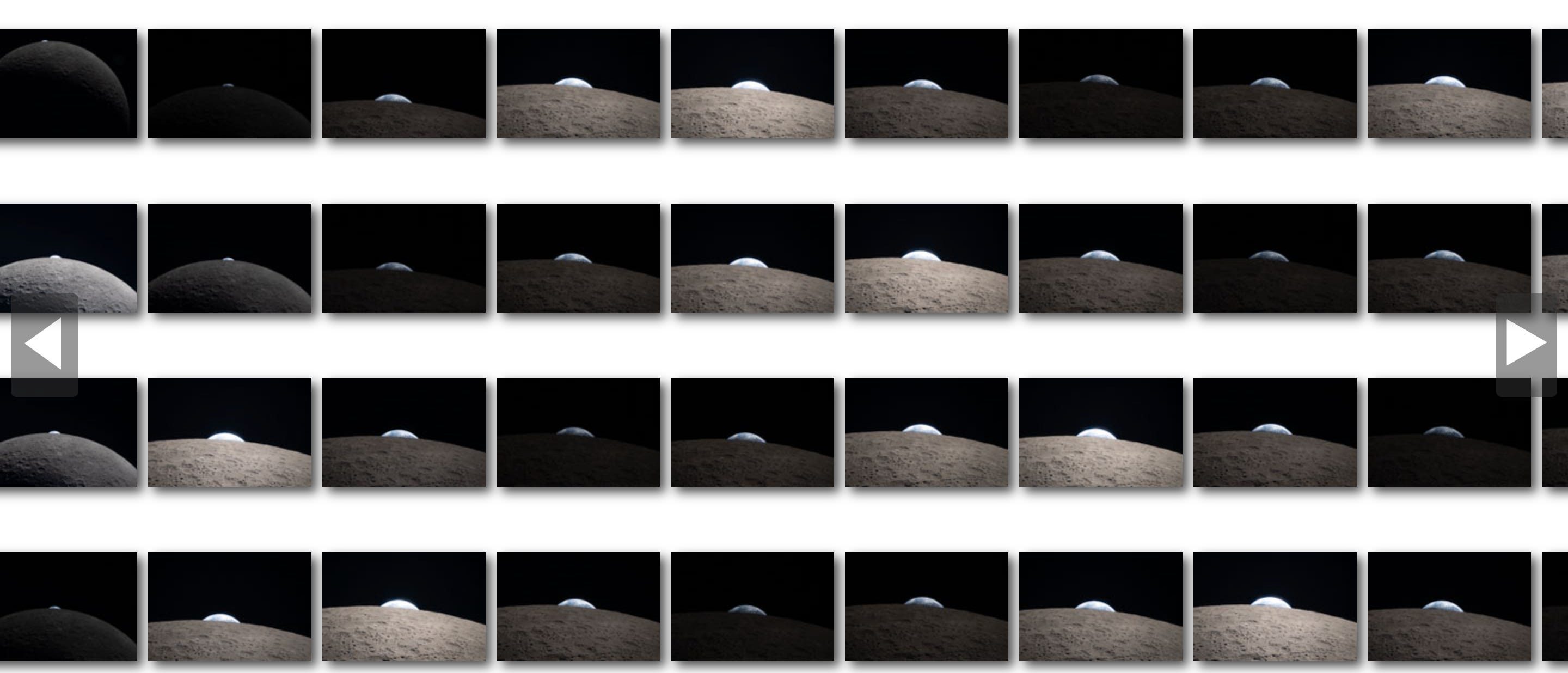
Found on: Colossal / Gateway to Astronaut Photography of Earth
Space and its exploration have fascinated me ever since I watched Apollo 13 with my dad when I was probably way too young to understand. I do remember the feeling of grandiosity and insignificance that it somehow managed to stir up in me at the same time.
With the overambitious and tactless projects working toward space colonization—yes I am referring to loser billionaires whose names I don’t even think are worthy of typing—learning about this mission felt the same as it did when I was a child. Listening to the crew speak about the role of the arts on their journey healed something that had been starting to crack given the current state of the world.
When I found this massive archive, the story I witnessed as I made my way through thousands of pictures was one of reverence, respect, humility, and humanity. I loved being able to see the process, the repetition, and most importantly, the imperfect shots that no news article would ever show you—but those were undoubtedly my favorite ones.
The New Scientific Spirit by Gaston Bachelard (1934)- book
Found on: web search
The Poetics of Space has become one of my favorite books. So when I came across this one by the same author while doing research on the intersection between the sciences and the humanities, I felt a little less scared to try to read it.
I’ve been slowly making my way through it, enchanted by the way Bachelard makes science feel like something almost mystical—looking inward into our humanity rather than just outward through mere empiricism, in search of truth.
Here’s a quote so you get the feeling:
“ambiguity attaches not to our knowledge of reality but to reality itself.”
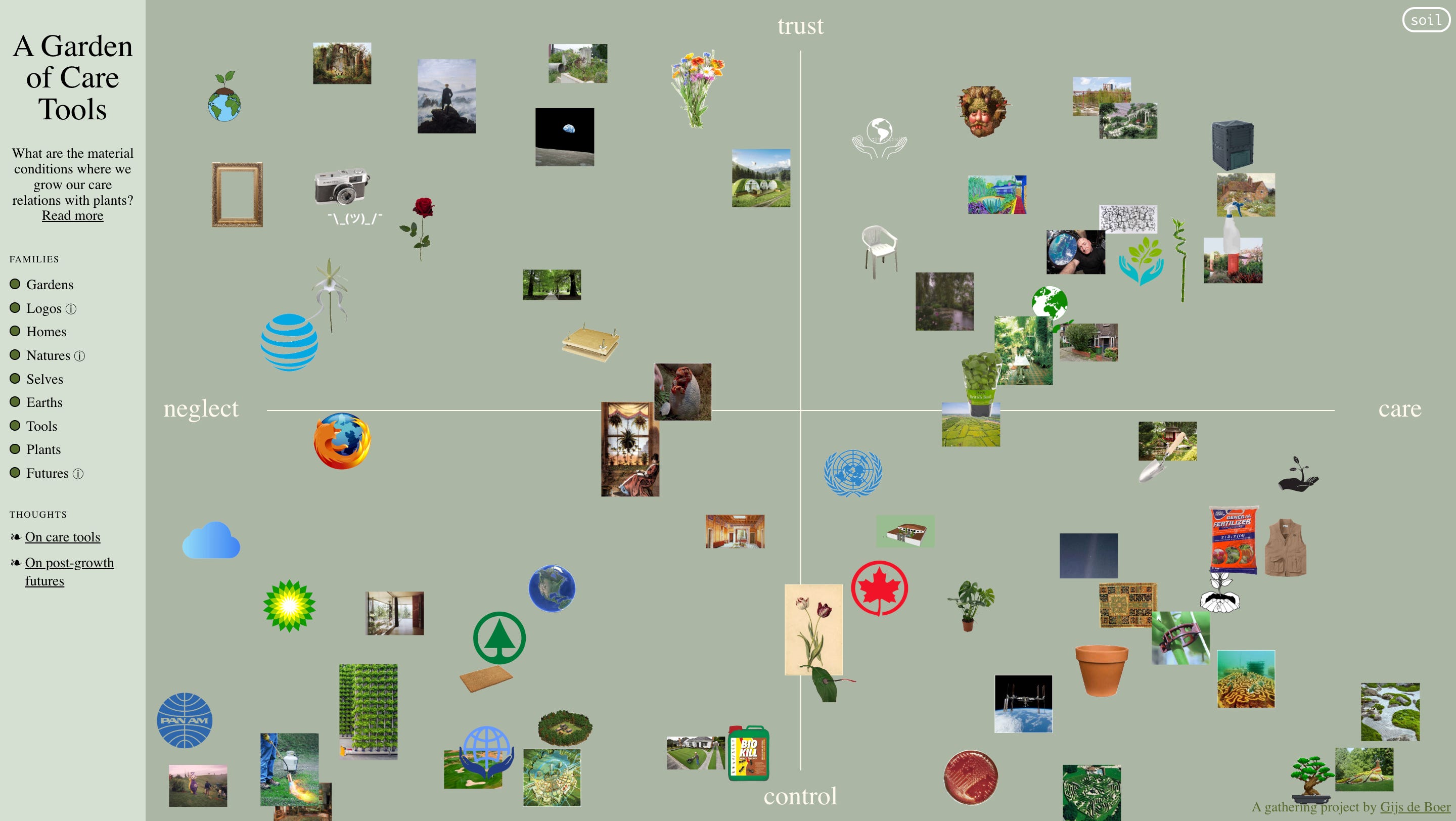
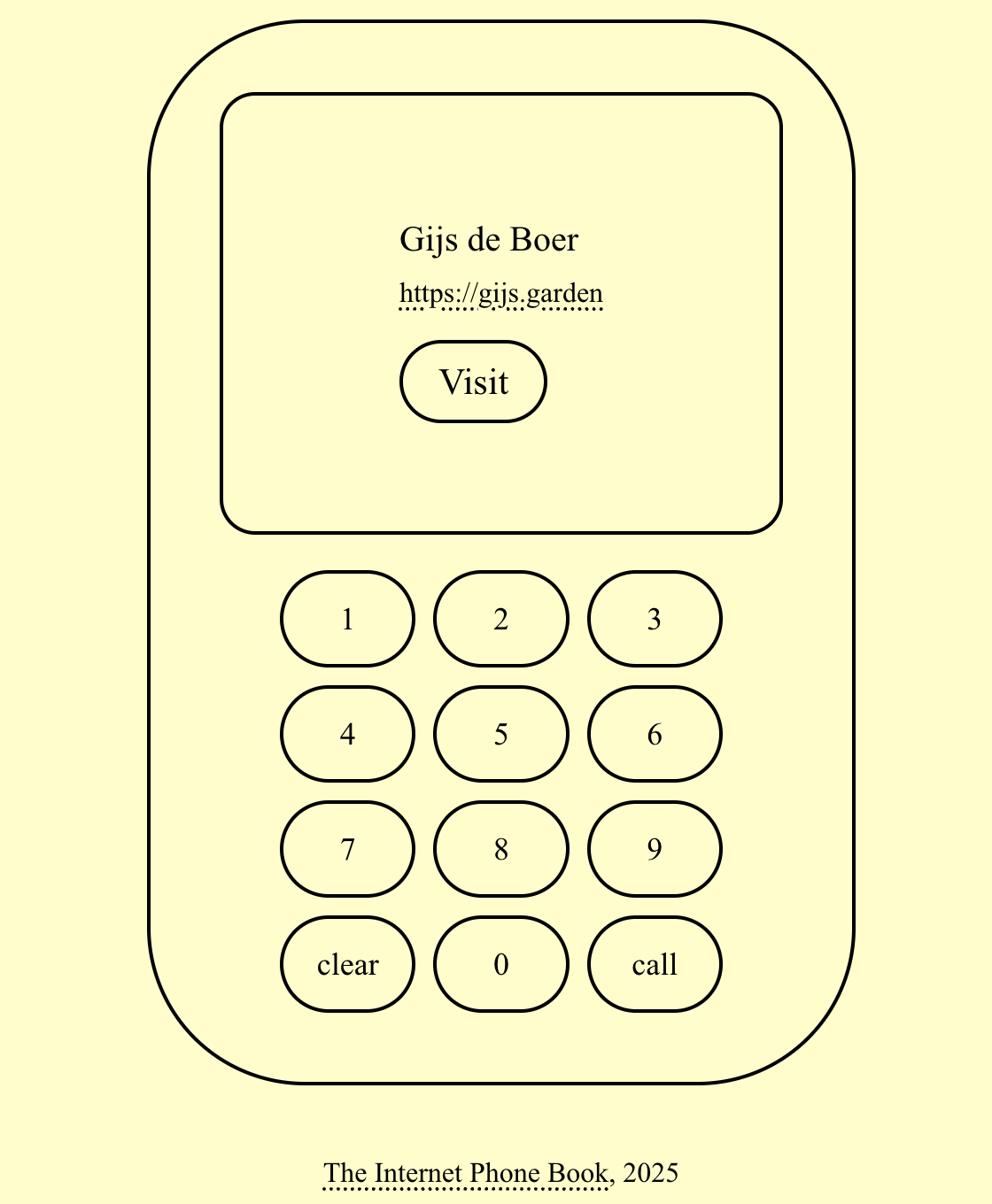
The Garden of Care Tools by Gijs de Boer - website
Found on: Quiet Media / Internet Phone Book12
I always like to think in terms of ecology across all areas of our lives—how we do not exist in an anthropocentric bubble, as much as we’ve been told to believe so. I believe that the sole fact of existence—in every sense of the word—is relational.
This website does an amazing job at exploring what this means in terms of our relationship with plants and what we like to call “the natural world.” The internet needs more ecologists!!!
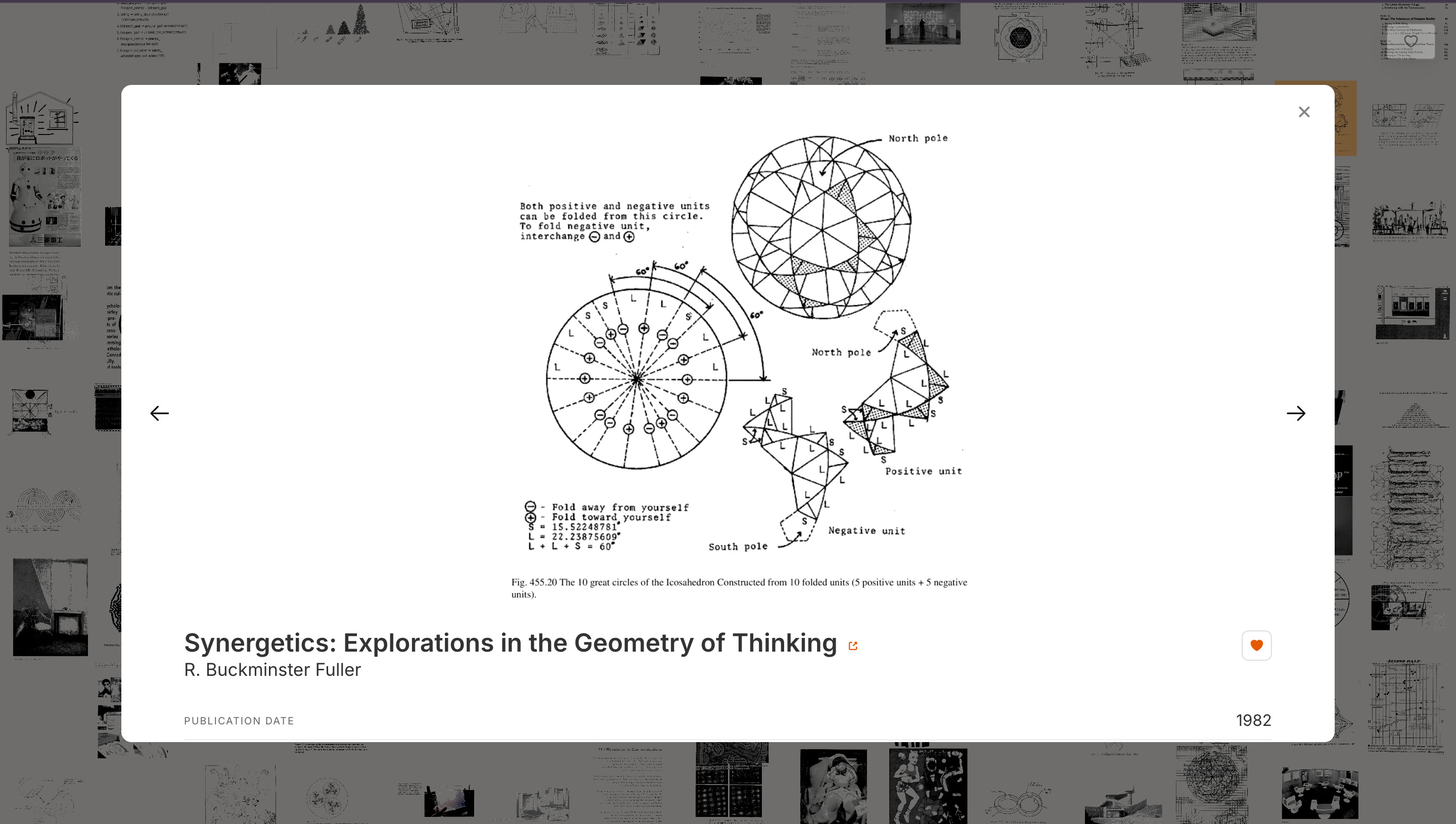
Synergetics: Explorations in the Geometry of Thinking by R. Buckminster Fuller - diagrams/book
Found on: Cybernetics Image Library
I did not expect to fall down the rabbit hole I did when I found these visuals. They resonated with me, given that the geometry of thinking is briefly mentioned in The New Scientific Spirit. I was intrigued, so I found the book from which these diagrams came, and I did not expect to encounter an 1800+ page giant that might as well be a book of spells. I only leafed through it for maybe half an hour, but that was all it took to snap my brain into a million little pieces. Do not ask me what ANY of it means—at least not yet—but consider me hooked.
V
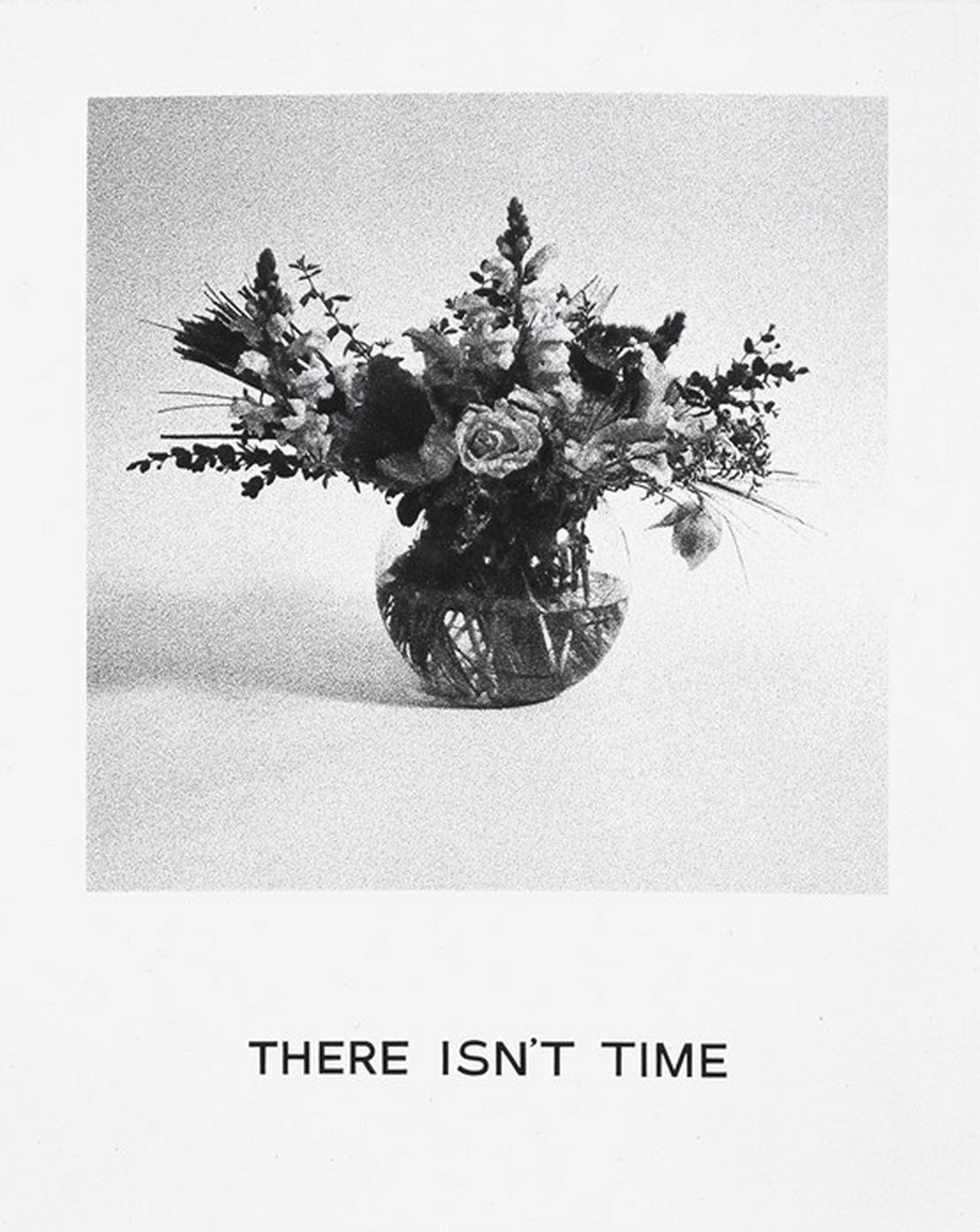
Goya Series: There Isn’t Time by John Baldessari(1997) - art
Found on: Tumblr
This artwork, for some reason or another, absolutely captivated me. The more I tried to understand it and the more research I did, the more questions and more fields of research seemed to reveal themselves. In a way, conceptual art that incorporates text feels like the Wario of abstract expressionism.
now you know i really do write everything myself because AI could never come up with such a sentence lmaoooo
Found on: Are.na / reference trail
I don't want to steer your thoughts on this piece one way or another, so I invite you to go in blind—just like I did. I'll most likely talk about this on another occasion, but I'll leave you to it until then.
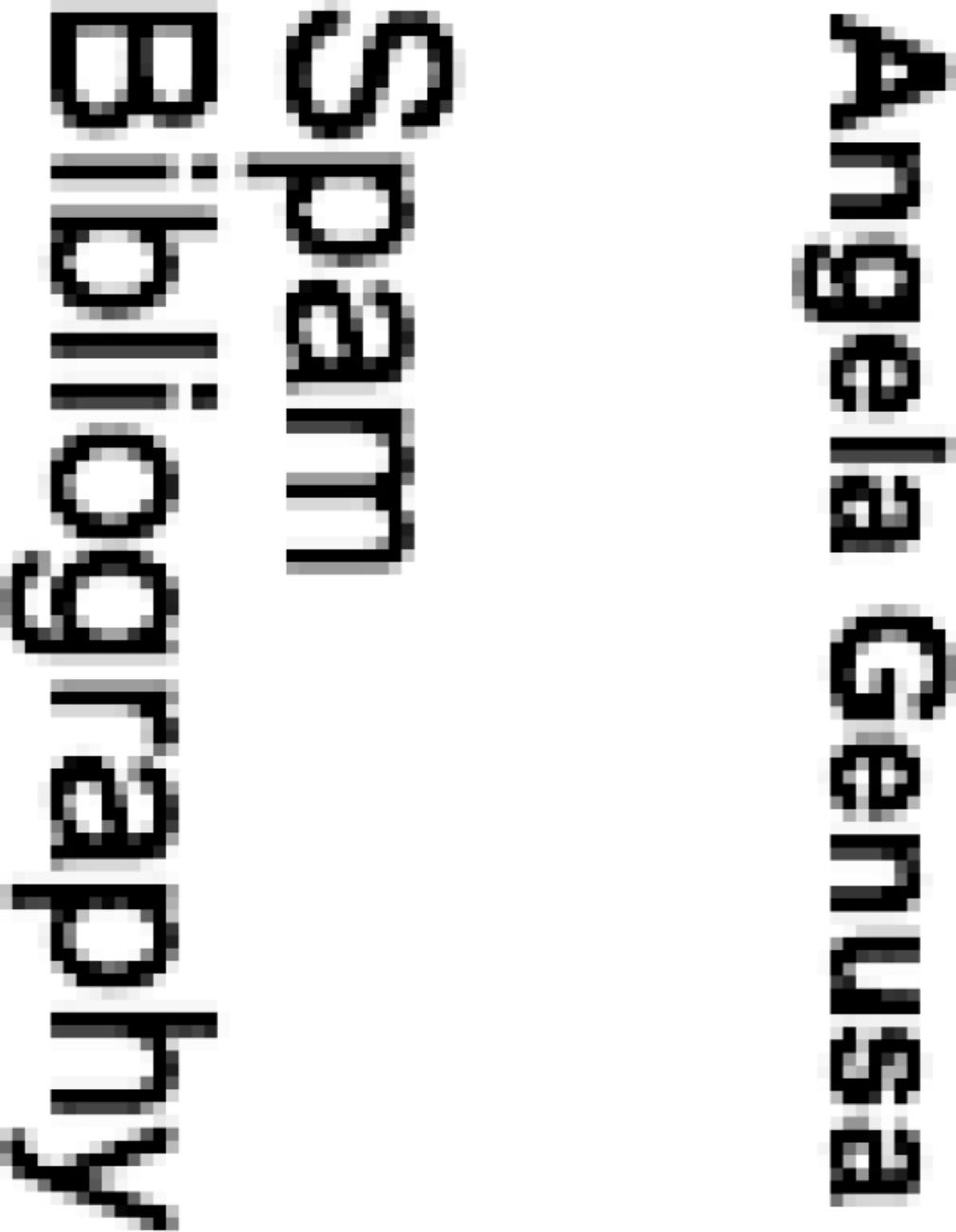
Spam Bibliography by Angela Genusa (2013)
Found on: Library of Artistic Print on Demand
What do we consider literature? Is storytelling bound by the medium? Can a narrative exist without a story? These are the questions that keep popping up every time I scan through what could be considered waste text—spam emails from six months of the author's life, formatted as a bibliography.
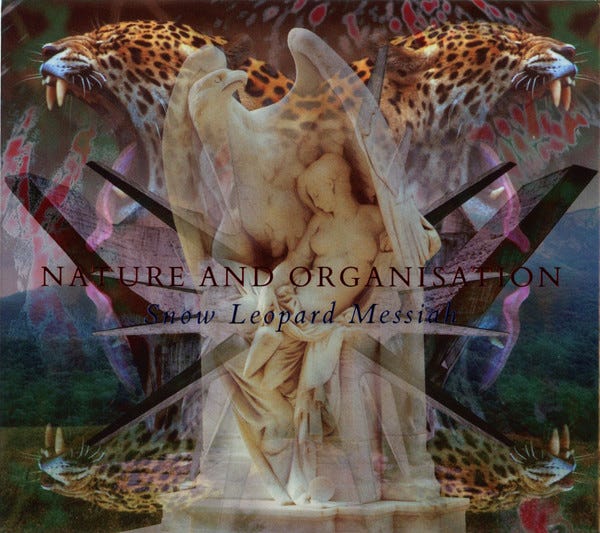
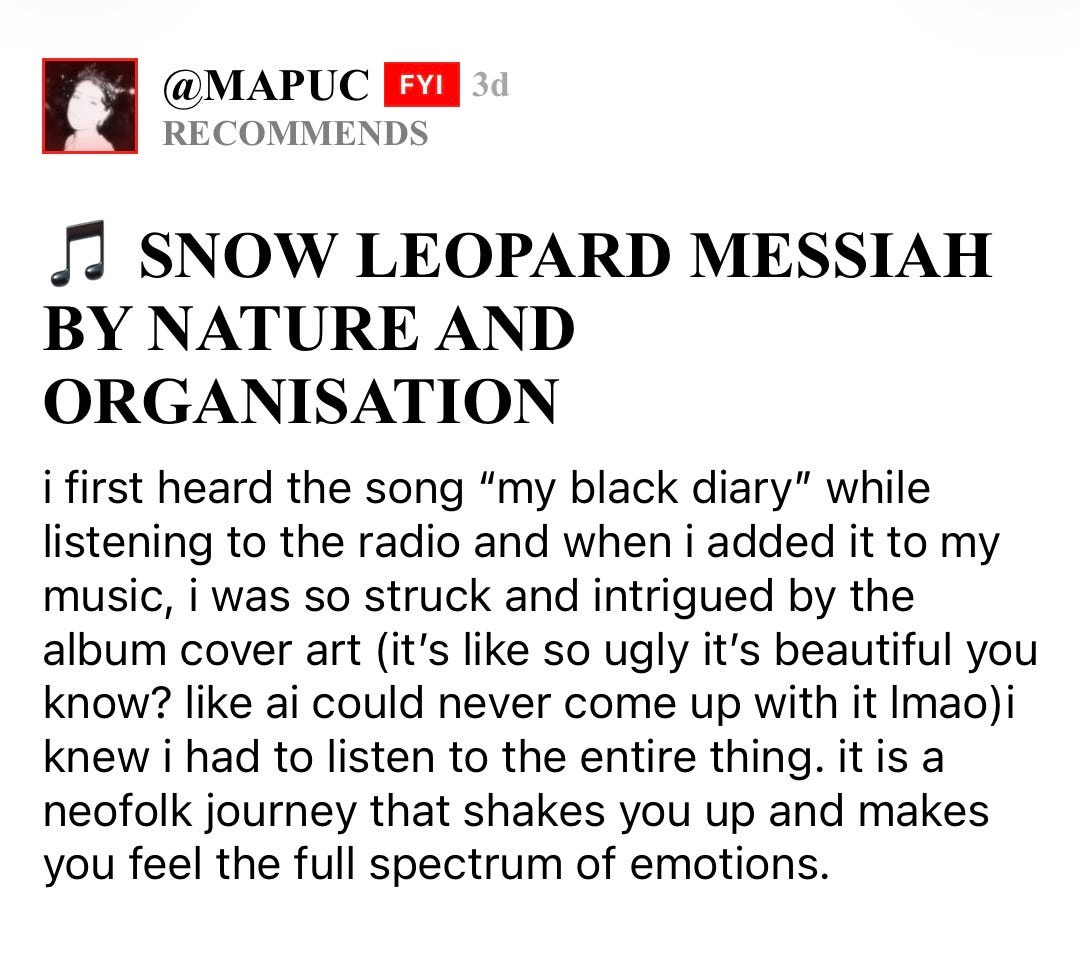
Snow Leopard Messiah by Nature and Organisation - album
Found on: NTS radio show Sans Merit
There are few things that I enjoy more than allowing myself to be surprised when I sit down to listen to an album I know essentially nothing about. You could try it with this one, or do the same exercise through a song on the radio like I did :) Here’s the PI rec I wrote after listening to it:

END NOTES <3
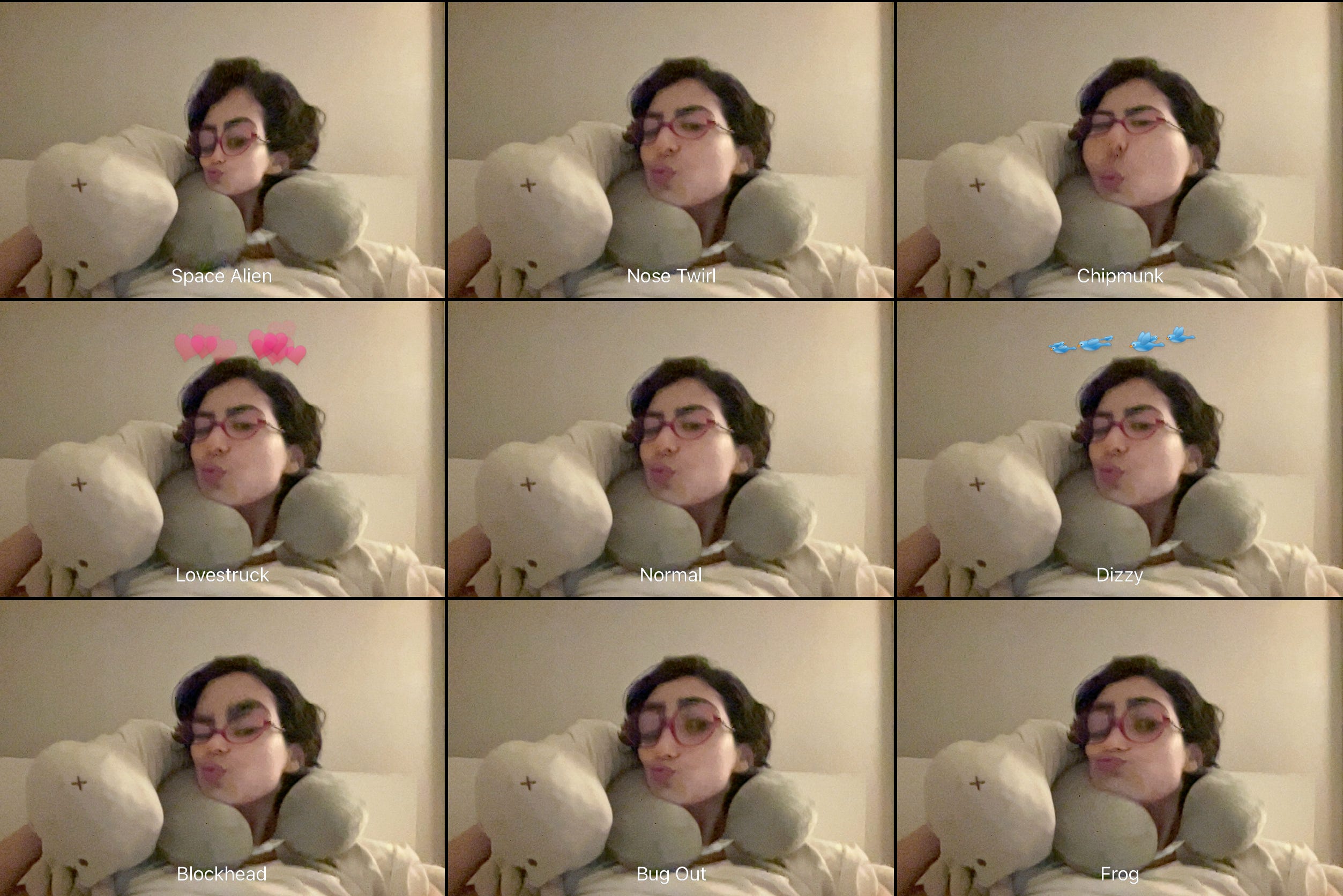
i can’t believe i’m finally done with the first installment of media ecosystems aaaaaaa !!!! i’ve been wanting to do this for the longest time, and now that it has come to life, i feel like a mother holding their newborn for the first time. ok maybe that’s an exaggeration, but i do feel really proud. speaking of mothers, allow me to introduce you to my child Rick, short for Ricardo (pictured above). he is a child of divorce and has a very ambiguous genealogy—i have no idea what he’s supposed to be—but he’s been with me ever since an ex gave me him as an apology gift for cheating on me lmaoooo. i’ve become emotionally bonded to him after the traumatic adoption, i can’t sleep without him even after like 7 years of having him. either way, as you can probably tell, it’s time for me and Rick to go to sleep after way too many hours of staring at this screen. btw apologies if any typos slipped through, but i cannot read this one more time or i will lose my mind. just know that my slightly delirious state is nothing but a sign that a lot of love and energy was poured into this, so i hope you had as wild of a ride as i did :)
sending you all the best energy to start this month on a good note <3

This image is placed at the introduction of A Thousand Plateaus: Capitalism and Schizophrenia, by Gilled Deleuze and Félix Guattari (1987), visually illustrating the concept of the rhizome which is subsequently explained. It felt so fitting to open this new segment with it, not only because of the very concept of the rhizome, but because it literally represents this multi-media journey through the experimental piano score.
Simulacra and Simulation by Jean Baudillard (1981) is one of the books that has influenced my life and my work the most. I recommend watching the documentary Hypernormalisation by Adam Curtis (2016) as a sort of prelude to the book in order to better grasp the idea of hyperreality.
i logged back into my old Tumblr account and omg it was so funny, i only followed blogs that posted cat drawings. either way, i have no clue how to use it but i’ve been finding some interesting stuff there, much of which i have no recollection of finding due to the lack of familiarity oops.
Here’s an Are.na Channel I have been working on lately: concrete poerty and ASCII art
i need to start keeping track of my reference trails because i KNOW that i came across this piece from like an academic paper or something along those lines. next time i’ll keep the paper trail pinky promise, but i just found this on my Sublime library with no context other than the fact it was in my May ecosystem collection. i think i was doing research on media ecology and somehow landed here, but i guess we’ll never know.

Listened to the Bereket show on The Lot yesterday whilst working and it was a wonderful accompaniment!
Always pushing us to think deeper. Thanks Mapu💛